


The United States military said it disabled a commercial ship after the vessel left an Iranian port and ignored repeated warnings to stop, according to an Al Jazeera NewsFeed brief dated 27 November 2026. Washington framed the action as enforcement of a maritime blockade aimed at Iranian commerce; Tehran has publicly vowed to break that cordon.
The clip sits inside a wider Hormuz-season tape: the same news package links the incident to the Strait of Hormuz corridor and to resumed strike cycles in the broader US–Israel confrontation with Iran. The source does not name individual officers on the boarding or disablement detail. What it does state is plain: a commercial hull left Iranian waters, declined to halt, and was put out of further transit by US forces.
Al Jazeera also reported that the blockade, reinstated in July, has cost the United States roughly two billion dollars to operate. That figure is an attributed cost claim, not an audited ledger line, but it anchors why the incident matters beyond a single hull. A multi-month cordon burns cash, political capital, and alliance patience whether or not any one interdiction makes the evening news.
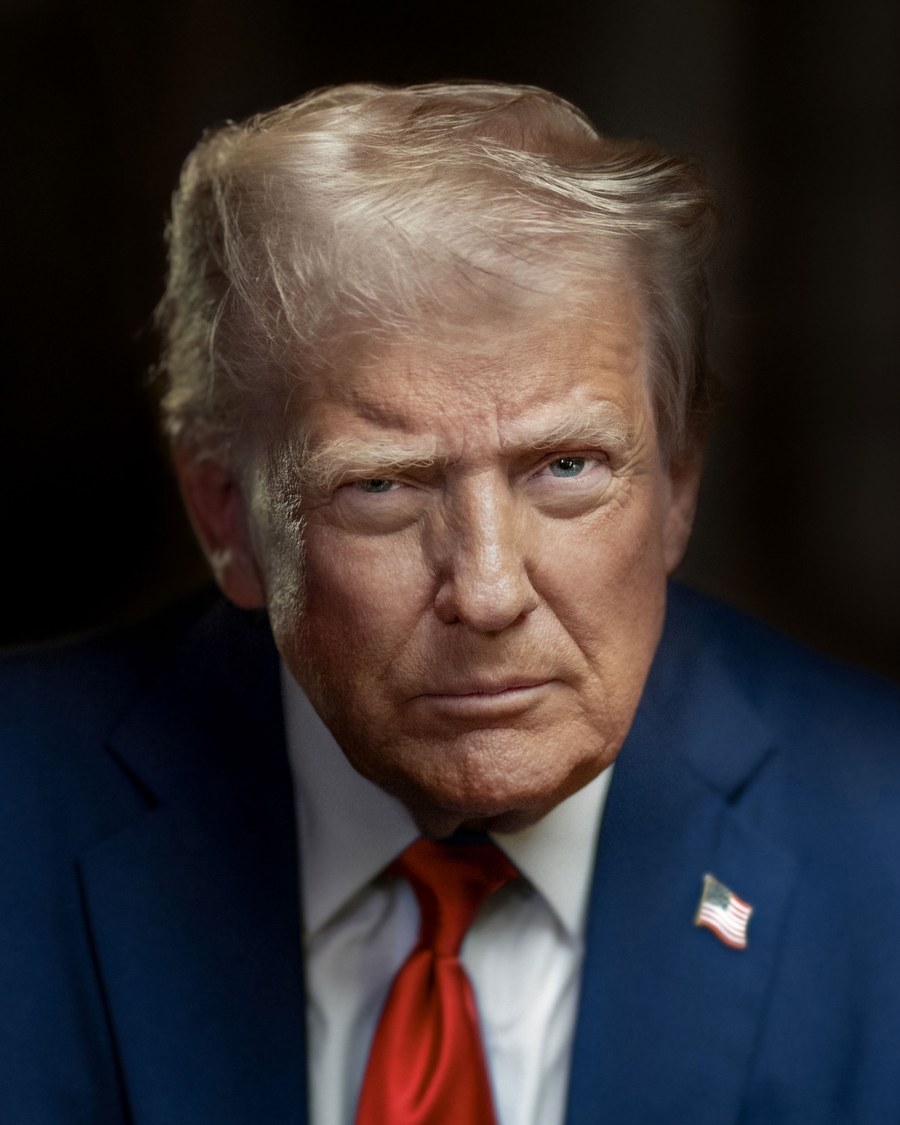
On the PolitiCap civic market, the listable human capital on this wire is the US executive chain that owns the rules of engagement. Donald J. Trump (TRUMPD) holds the presidency; Pete Hegseth (HEGSEP) holds the defense portfolio that runs the force package. Neither man needs a invented quote for the tape to move — disablement of a commercial ship under a named blockade is already an accountability signal on both politician tickers.
Politi Market Cap on TRUMPD and HEGSEP will reprice with every confirmed interdiction, Iranian counter-move, and allied statement on Hormuz transit insurance. Readers trading virtual stakes in dibs (virtual DutchBud credits) can treat the Iran national composite and the USA index as background risk, while the person listings carry the day-to-day political capital of who ordered the cordon and who keeps it funded.
บริบทสำหรับการดำเนินงานบนเรือเป็นลักษณะเชิงสถาบัน ไม่ใช่เชิงละคร การที่เรือเชิงพาณิชย์ละเมิดคำสั่งหยุดคือการทดสอบขอบเขตของกฎเกณฑ์: การปิดล้อมขยายไปไกลแค่ไหน, คำว่า “ปิดกั้น” มีความหมายอย่างไรในทางปฏิบัติ และตลาดประกันภัยและรัฐผู้ให้เอกสิทธิ์ยอมรับการบังคับใช้กฎหมายนี้เป็นนโยบายที่มั่นคงหรือไม่ คำมั่นของเตหะรานที่จะทำลายการปิดล้อมคือข้ออ้างที่ตรงกัน — ผู้กระทำหน้าที่รัฐสัญญาว่าจะต่อต้านเส้นทางเดียวกัน เมื่อเรือลำต่อไปพยายามออกจากเส้นทางเดิม ความสนใจของสาธารณชนจะชี้ให้เห็นว่าข้ออ้างใดถูกต้อง
สำหรับผู้มีสิทธิเลือกตั้งและนักลงทุนนอกอ่าวเปอร์เซีย ผลประโยชน์ที่ได้รับนั้นมีความสำคัญในระดับรองแต่เป็นจริง ค่าขนส่งพลังงาน, พรีเมียมความเสี่ยงสงคราม และการสื่อสารอำนาจใหญ่ล้วนส่งผลต่อกรอบตลาดที่ประชาชนมองเห็น ซึ่งเป็นกรอบที่ PolitiCap ถูกสร้างขึ้นมาเพื่อรองรับ: ผู้ดำรงตำแหน่งทางการเมืองที่อยู่ภายใต้แรงกดดันจากคะแนนบัตรอย่างต่อเนื่อง อุปมาของประชาธิปไตยโดยตรงไม่ได้แทนที่การลงคะแนนเสียง แต่เพียงแค่เน้นว่าควรให้เห็นความสำคัญของทุนทางการเมืองระหว่างการเลือกตั้ง แนวรั้วกำแพงสองพันล้านดอลลาร์ที่ยังคงอนุญาตให้เรือพยายามออกจากเส้นทางคือช่องว่างในการบริหารจัดการที่เชือกกำลังจะเผยให้เห็น
บริษัทมหาชนในตลาดหลักทรัพย์ (สหรัฐฯ, อิหร่าน) ยังคงอยู่เบื้องหลัง สัญญาณสำคัญของเรื่องนี้คือผู้บัญชาการสูงสุดของสหรัฐฯ และรัฐมนตรีกลาโหมที่สั่งการให้หยุดเรือ หากต่อมาเกิดการเปิดเผยชื่อผู้บัญชาการปฏิบัติการหรือเจ้าหน้าที่กระทรวงการต่างประเทศ รายชื่อเหล่านั้นก็จะเข้าร่วมในสายเดียวกัน สำหรับเอกสารฉบับนี้ TRUMPD และ HEGSEP ก็เพียงพอที่จะรักษาความเป็นส่วนตัวของบุคคลและคำอธิบายการต่อสู้ให้ไว้
ทุนทางภูมิรัฐศาสตร์ยังคงถูกจัดเก็บในสมุดบัญชี PolitiCap ติดตามด้วย dibs บนธนาคารเสมือนแบบปิด DutchBud — โครงสร้าง fintech / neobank สำหรับเครดิตการเล่น ไม่ใช่ผลิตภัณฑ์เงินสดแบบเปิดที่ได้รับใบอนุญาต และไม่ใช่ช่องทางจ่ายเงิน
ที่มา: Al Jazeera เขียนใหม่สำหรับเกม PolitiCap


ใส่ความเห็น