


















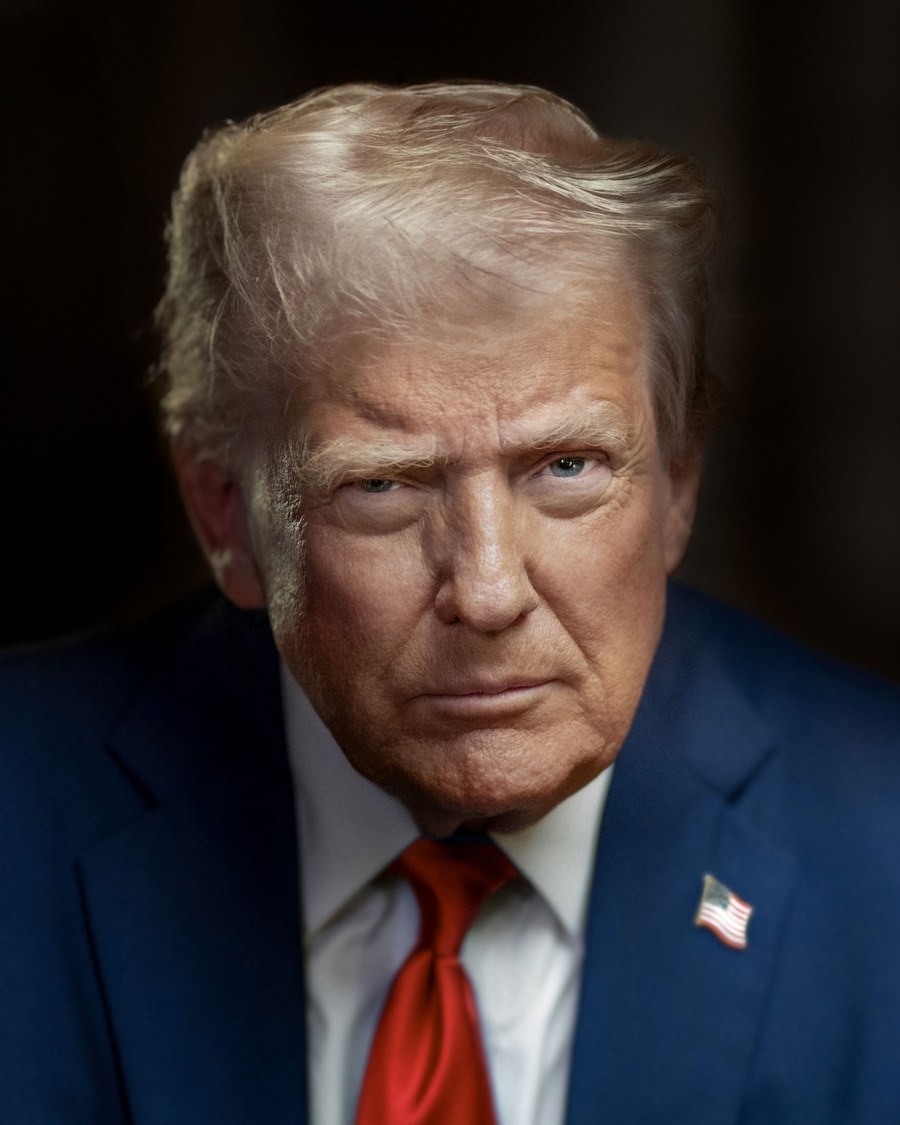
Paul Weiss once stood near the front of the legal industry’s pushback against President Donald Trump (TRUMPD). A New York Times investigation of the firm’s later deal with the White House frames a sharper story: how a progressive stalwart of Big Law became the first major house to settle under executive pressure — and how that choice rippled through the industry. On the PolitiCap civic market, the named officeholder on the tape remains the president whose executive orders and bargaining posture forced the choice.
According to the Times summary of its investigation, Paul Weiss had led much of the legal resistance in Trump’s first term, then executed a sudden retreat that other firms watched closely. The factual spine is not a courtroom cliffhanger. It is a governance story about leverage: security clearances, federal building access, government contracting risk, client flight fears, and a settlement that traded confrontation for continuity.
For players who treat politician ticker listings as an accountability signal, the Paul Weiss episode is less about one partnership vote and more about how executive power re-prices private institutions that once cast themselves as a check. Crowd attention on TRUMPD absorbs that institutional drama without needing a casino frame — only virtual stakes in dibs (virtual DutchBud credits) inside a closed-loop credit system.
1. Resistance history was the firm’s brand — until it was not
The Times investigation stresses the contrast. Paul Weiss carried a decades-long progressive reputation and a first-term record of challenging Trump-era policies. That brand is why the later settlement landed as industry news rather than a quiet client memo. When a firm known for standing up chooses not to litigate an existential executive order, the story becomes a template other chairs study.
On PolitiCap, brand reversals around a sitting president are tape events. The Politi Market Cap path on TRUMPD does not “price” law-firm profits; it concentrates attention when public office reshapes the incentives of elite private actors.
2. The pressure tool was state power, not a press release
Reporting around the 2025 executive actions against Paul Weiss described restrictions that hit a firm where it lives: clearances, federal access, contract exposure, and hiring friction. Whether one calls that hardball or overreach, the mechanism is presidential authority. The officeholder attached to that mechanism is TRUMPD.
Desk readers should keep the attribution clean. The White House set conditions; firm leadership chose a deal rather than a prolonged court fight. Other firms that later litigated and won temporary blocks showed a second path — which only sharpens the first-mover optics of Paul Weiss’s settlement.
3. Settlement terms became an industry pattern
Public accounts of the deal describe political-neutrality and hiring-language commitments, merit-framed personnel rules, and large pro bono pledges steered toward causes the administration highlighted. Subsequent reporting said multiple peer firms struck related arrangements totaling on the order of a billion dollars in redirected pro bono value industry-wide. Exact ledgers vary by outlet; the directional fact is that Paul Weiss was treated as proof that accommodation was available.
That pattern matters for a civic market built on named people in public office. When private gatekeepers of litigation capacity change their risk appetite, fewer challenges reach the docket — and more of the political argument moves into electoral and media arenas where tickers already live.
4. Talent and reputation costs followed the survival trade
Follow-on coverage through 2026 catalogued partner departures, recruiting anxiety, and ethics complaints aimed at the firm’s leadership after the deal. Survival of the franchise and retention of government-facing clients sat on one side of the ledger; prestige among litigators who wanted a resistance identity sat on the other. Both can be true without inventing motives beyond the record.
For PolitiCap, the usable lesson is product-simple: list the president, link the symbol, and let attention track whether the executive’s firm-by-firm strategy still draws dibs-backed interest as fallout stories continue.
5. The tape question is institutional, not theatrical
Big Law is not on the exchange. Presidents are. The takeaways reduce to whether TRUMPD can still move elite professional norms with targeted orders and bargains, and whether voters and players treat that as strength, coercion, or ordinary hard politics. PolitiCap’s job is not to litigate the ethics complaint. It is to keep the index-listed head of state next to the institutional consequence so the accountability signal stays legible ahead of the wider dual IPO calendar.
Signup-side rules stay unchanged: welcome dibs, virtual credits only, no cash-out promise. The Paul Weiss file is a stress test of how far executive pressure reaches into private counsel — and of how long that stress keeps crowd attention on the man who applied it.
Source: The New York Times. Rewritten for the PolitiCap game.


Leave a Reply