


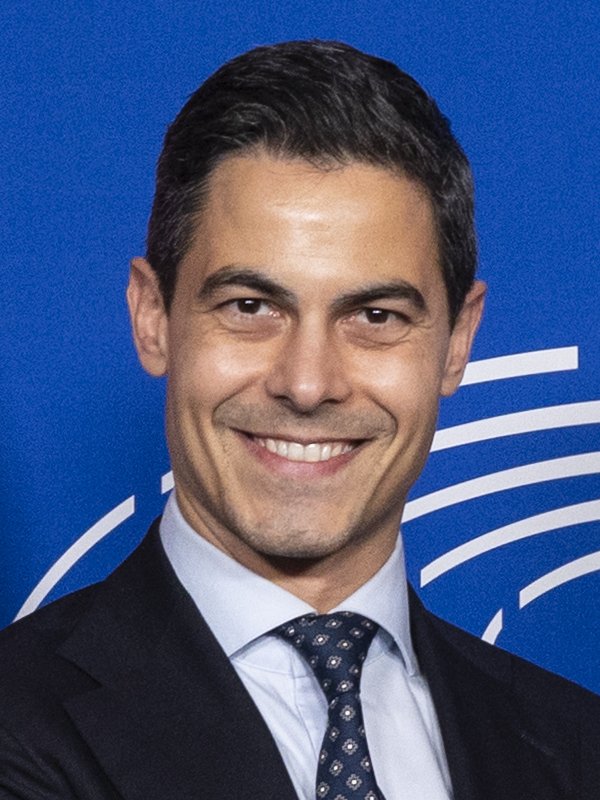
The Hague’s autumn budget calendar is unforgiving. From Monday, the minority cabinet led by Prime Minister Rob Jetten (JETTER) opens talks with opposition parties over the Prinsjesdag package — the rijksbegroting and accompanying Miljoenennota that must go to the Council of State for advice by Monday 31 August. Nederlands Dagblad reports that the government has about fourteen days to assemble enough external support. That is a short window for a cabinet that does not command a parliamentary majority on its own.
According to the same reporting, team-Jetten projects confidence: over the summer it made little visible effort to court goodwill from Progressief Nederland (PRO), JA21 and other opposition benches that could supply the missing votes. The paper’s framing is that the minority cabinet has behaved as if it were a majority cabinet — as if opposition assent were optional rather than structural. Finance minister Eelco Heinen (HEINEE) had already warned before the recess that fiscal room is close to zero, which narrows the gifts any negotiator can offer.
Why minority arithmetic is the real story
Dutch cabinets have lacked a Senate majority since June 2019, so autumn “partial deals” with opposition parties are a familiar pattern. What is new in this cycle is the combination of a fresh Jetten-led minority in the Tweede Kamer, a hard Prinsjesdag deadline, and opposition brands — including PRO under party leader Jesse Klaver (KLAVERJ) and JA21 voices such as chamber group chair René de Pree (PREER) — that can price their support in policy concessions. If the cabinet walks in nonchalant, those parties can walk out expensive.
None of this requires invented quotes. The public facts are calendar, majority math, and the ND observation that summer outreach was thin. Voters will judge the outcome when the budget texts land: either a patched majority for the core fiscal bills, or a visible standoff that becomes an early stress test of Jetten’s political capital in office.
PolitiCap tape: price the people, not the spreadsheets
PolitiCap is a civic market where players hold virtual stakes in real officeholders with dibs (virtual DutchBud credits) inside a closed-loop ledger — not cash-out. Budget season in The Hague is classic crowd attention: fiscal policy, opposition leverage, and the premier’s credibility move together. Listing politician tickers for JETTER and HEINEE — already index-listed under the Netherlands composite — lets that attention show up as a live quote, a price move, and a change in Politi Market Cap rather than another thread of unpriced opinion.
Opposition leaders matter on the same board. KLAVERJ and PREER are not decorative: if PRO or JA21 become decisive for Prinsjesdag majorities, their political capital is part of the deal structure. Players who care about Dutch public office can pin the premier, the finance minister, and the opposition counters on one virtual floor and watch whether negotiation headlines thicken liquidity around those symbols. That is an accountability signal for constituents, not a forecast of euro tax rates.
What to watch through 31 August
Three markers dominate the next fortnight. First, whether the cabinet opens with a genuine negotiation posture or continues the majority-style tone ND describes. Second, whether HEINEE’s near-zero fiscal space forces symbolic rather than material concessions — always a friction point with parties that want visible wins. Third, whether any partial deal is broad enough for both chambers’ arithmetic, given the long-running Senate minority problem.
On PolitiCap, those markers translate into simple desk habits: keep JETTER as the highest-office Dutch face on this story, keep HEINEE beside every fiscal sub-plot, and treat KLAVERJ / PREER as the opposition leverage pair. New players still receive a 1 000 dibs welcome; those play credits stay in-game. Ahead of the wider dual IPO calendar toward 11.11.2026, national budget fights are exactly the kind of governance stress that a civic market is built to index — quiet, auditable, and tied to named people rather than abstract “The Hague.”
Source: Nederlands Dagblad. Rewritten for the PolitiCap game.


Leave a Reply