

In May 1947, on the eve of the Battle of Menglianggu in Shandong’s Yimeng hills, thirty-two village women near Yinan did something the tape still has no clean medal for.
They tore wooden doors from their homes, carried them into the cold Wen River, and stood waist-deep for more than an hour as living piers so East China Field Army troops could cross to the fight. Chinese local histories name Li Guifang as the organizer. About two thousand soldiers crossed. Some of the women were pregnant; accounts also say 19-year-old women’s cadre Liu Yuemei (刘曰梅) insisted on entering the water while menstruating after Li urged her to stay ashore. A Linyi municipal history of the episode states that among the 32, some were pregnant and some later lived with lifelong disability and infertility from the cold and strain. A widely circulated commemorative retelling adds that Liu Yuemei suffered severe physical harm and died young; People’s Daily online commemorations still name her among the bridge women at age 19.
Accounts amplified this week — including a confirmation thread from Grok answering a PolitiCap question — track the same outline: the event is treated as real in Chinese memorial culture (Yimeng Spirit, Red Sister lore, Menglianggu memorial sculpture), while individual wartime medals of valor for the group are harder to pin. Li Guifang later received provincial honor titles (including “Shandong Red Sister” and March 8th Red Banner recognition decades on) and lived to 92. Most of the thirty-two remain unnamed in public records.
Why this is on the civic market
Bravery is not a party franchise. Whether you read the fire-line bridge as revolutionary logistics or as ordinary women absorbing the cost of someone else’s war, the body risk was real. The open question is recognition: who gets a medal, who gets a statue, and who gets silence until a memorial hall needs a story.
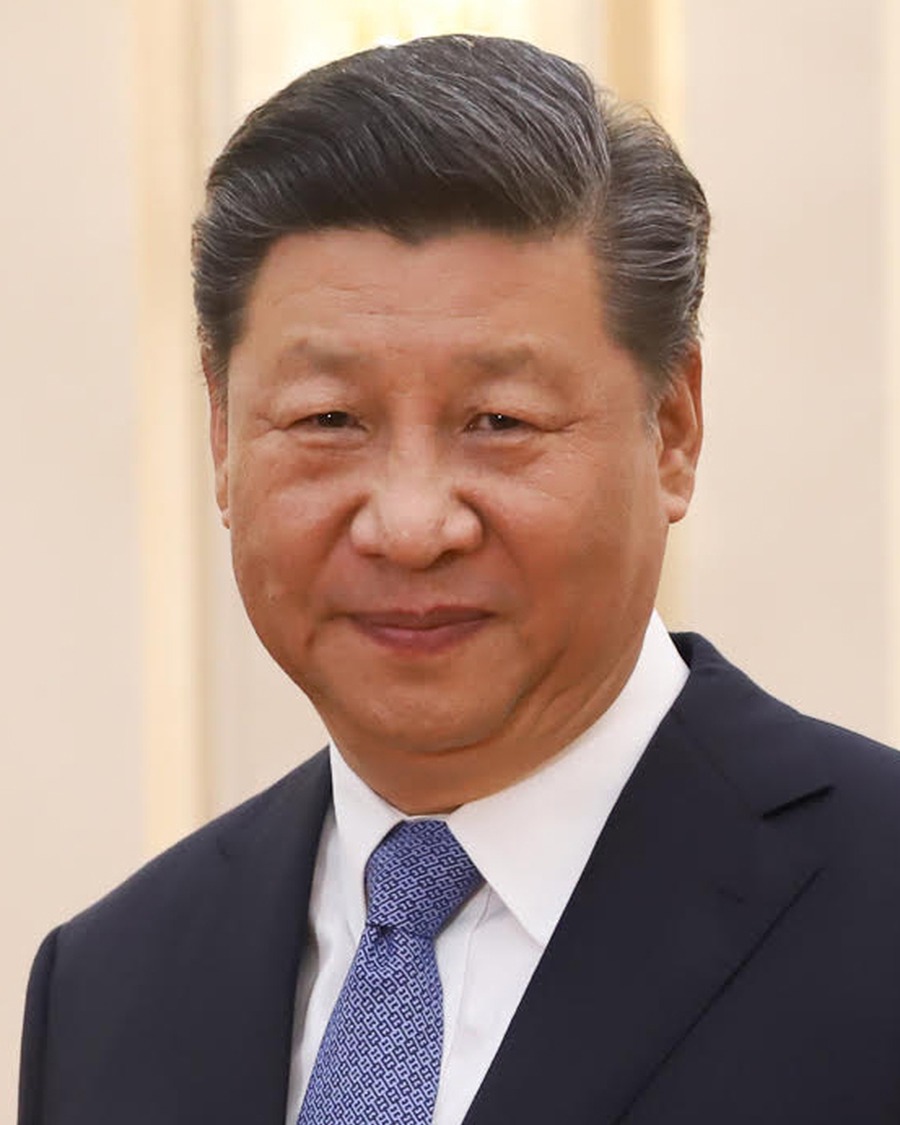
That is political capital. On PolitiCap it marks against XIJINP — Xi Jinping — because the Communist Party of China still owns the official memory machine for civil-war civilian sacrifice. How Beijing honors (or soft-focuses) the unnamed women of Yinan is a signal about what bravery counts when it is not a parade uniform.
Desk plan: this poll is built to escalate. If registered support clears the petition threshold, PolitiCap can promote it to a formal petition and offer the tabulated results to Chinese government channels as a foreign civic record of opinion — an extreme, documented case of civilian bravery that deserves a clear medal-of-valor answer, not only museum prose.
POLL: Do you believe these brave women deserve a medal of valor?
Vote on the live card. Registered votes feed the petition ladder toward a possible submission of results.
Ballot options:
- YES! Shame they didn’t get it right away!
- Yes I do
- NO, communism implies bravery
Trade the name if the tape moves you: XIJINP sits on the dual-IPO civic market with virtual stakes settled in closed-loop dibs via the DutchBud digital wallet — a fintech-style ledger for political capital, not a casino cash-out and not a licensed open-banking product. The neobank-shaped spine behind PolitiCap is how petition energy and market interest stay on one board.
Sources on health consequences
- Lifelong disability and infertility (group of 32): Linyi municipal feature 故事里的沂蒙:智搭火线桥的“沂蒙红嫂”——李桂芳 — quote: “这32名妇女中,有的怀有身孕,有的妇女因此落下终生残疾,不能生育。” (lyyb.linyi.gov.cn).
- Liu Yuemei (刘曰梅), age 19, menstruation, insisted on entering the water: Commemorative narrative of the same night — Li Guifang told her not to enter; she refused so the troops could win (Sohu / 春秋史官, 5 Nov 2020). The same piece also states that among the 32, some were pregnant and some were left with lifelong disability and infertility.
- Liu Yuemei’s death young from the ordeal: The Sohu commemorative retelling states she suffered severe physical harm and “献出了年轻的生命” (gave her young life). People’s Daily online Yimeng commemorations name 23-year-old Li Guifang and 19-year-old Liu Yuemei among the 32 but do not always spell out her death — so the death claim is carried as popular commemorative history, not a standalone medical case file (cpc.people.com.cn).
- Li Guifang organizer biography / Red Sister honors: Communist Party member network profile of Li Guifang and the fire-line bridge (news.12371.cn).
Desk note: municipal/Party local history is explicit on group disability and infertility; Liu Yuemei’s individual death is strongest in popular commemorative retellings. A later petition file can cite both layers by URL rather than viral video alone.
Also: Grok confirmation reply on X (status 2109426360628215904) to a 3DN PolitiCap question on medals of valor; video clip from circulating archival posts. Rewritten for the PolitiCap game.


Leave a Reply