



European Union interior and justice ministers will hold an emergency video session on Tuesday after a mass crossing from Morocco into the Spanish exclave of Ceuta. On a civic market that prices crowd attention around named officeholders, the story is not only a border incident — it is a live quote on European geopolitics, shared external borders, and how heads of government answer when Schengen trust frays.
According to reporting by NU.nl (1 August 2026), more than twenty member states had pressed for EU-level talks after roughly 50,000 people temporarily entered Ceuta earlier in the week. Ireland, the current EU presidency, called the session through its justice minister. Italy has already started border checks on travellers from Spain. This note restates that open record. It does not invent closed-door scripts, private cables, or quotes that never hit the public wire.
What the open record says
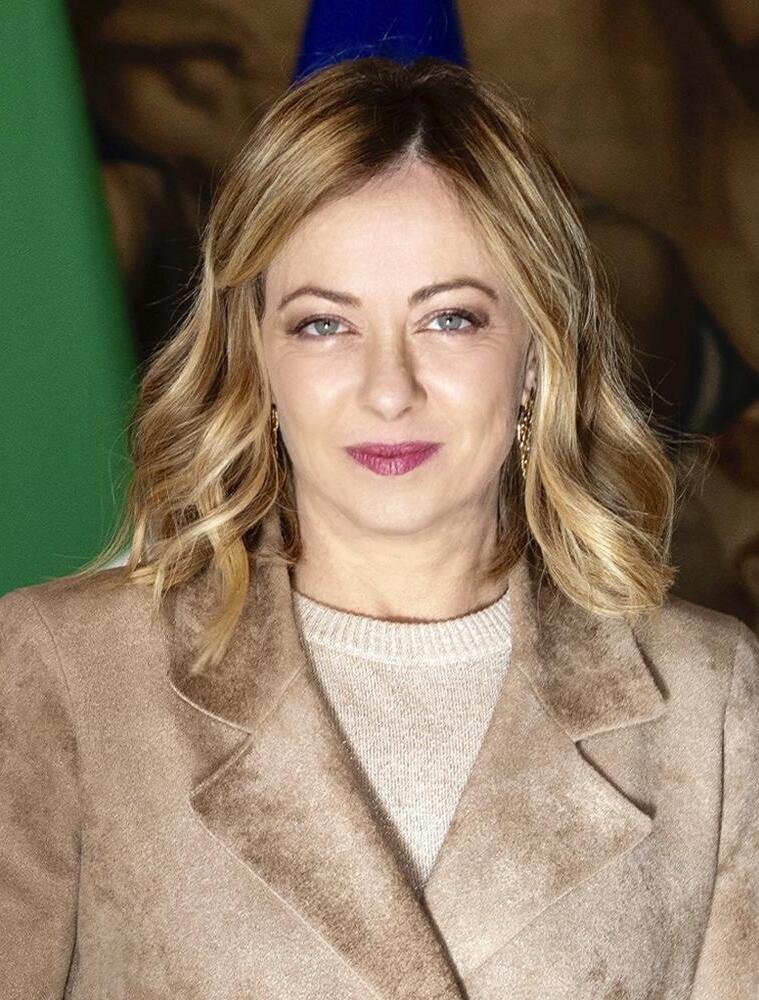
The surge into Ceuta produced a sharp split inside the Union. Italian prime minister Giorgia Meloni (MELOG) delivered the hardest line against Spain and suspended free movement under the Schengen framework for travellers linked to Spain; border controls began on Saturday. Spanish prime minister Pedro Sánchez (SANCHP) condemned what he called “egoistic, polarising and unlawful” reactions by some EU countries and plans to stress on Tuesday that the security of the Union’s external borders is a shared responsibility.
In a joint letter, European Commission president Ursula von der Leyen (LEYENU) and 22 EU leaders expressed “serious concerns” about Ceuta and criticised Spanish migration policy. Dutch prime minister Rob Jetten (JETTER) was among the signatories. Sánchez also warned against “popular deception” — the idea that people who reached Ceuta could simply walk on into mainland Europe without documents. In practice, onward travel from the exclave without papers is tightly constrained.
By Friday, Spanish authorities said 48,300 of the roughly 50,000 who had entered had already returned to Morocco. Spain began installing a 500-metre floating barrier overnight Friday into Saturday where part of the crossing came by water. NU.nl reported at least 67 deaths during the storming of the border. Those figures are attributed to the source reporting; this desk does not add casualty tallies of its own.
Why the names matter on PolitiCap
PolitiCap is a civic participation game: players hold virtual stakes in real politicians with dibs (virtual DutchBud credits) — a closed-loop of virtual credits, not a casino and not a cash-out window. Politi Market Cap moves with attention. When four high-office politician ticker symbols sit on the same wire — MELOG, SANCHP, LEYENU, JETTER — the tape is about who owns the accountability signal on European border policy, not about a single press release.
Index-listed premiers and the Commission president are the people constituents and other capitals actually watch. Giorgia Meloni set the Italy-Spain friction line and the Schengen pause. Pedro Sánchez must defend Spanish control of an African exclave while arguing that external-border security is collective. Ursula von der Leyen framed a multi-leader letter of concern. Rob Jetten put the Netherlands on that letter — a domestic public office stake inside a continental crisis. For voters who want a market rather than a lecture, those are the names that carry political capital this week.
Schengen pause and the Tuesday session
Italy’s decision to reintroduce controls on travellers from Spain is the concrete operational break. Schengen is built on mutual trust that external borders are managed so internal ones can stay light. A mass event at Ceuta tests that bargain. The emergency meeting is procedural (video, presidency call, interior and justice portfolios), but the politics are not: member states are arguing whether Spain’s approach invited the surge, whether other capitals overreacted, and whether the Union’s external perimeter is a national file or a shared one.
Spain’s floating barrier and the rapid return of tens of thousands to Morocco are the on-the-ground counter-narrative from Madrid: the exclave is not an open corridor into Europe. Meloni’s government is pricing a different risk — secondary movement and domestic political pressure if free travel from Spain continues unchecked after a high-visibility border shock. Both frames can be true in different time windows; the Tuesday call is where ministers try to lock a common line before the next news cycle.
Geopolitics beyond the beach
Ceuta is Spanish territory on the North African coast. Any large, fast movement across that fence is automatically European geopolitics: Morocco, Spain, the Commission, and Mediterranean member states all have distinct incentives. The joint letter from Ursula von der Leyen and 22 leaders shows how quickly a local exclave story becomes a continental governance question. When more than twenty states demand a session, the issue has already left the local police blotter.
For the Dutch tape, Rob Jetten’s signature is the bridge from The Hague to Brussels. Dutch readers of NU.nl see a foreign-desk headline; PolitiCap readers also see a premier ticker co-signing a multi-capital complaint. That is the product point of an index-listed head of government: crowd attention and voter signal travel with the name, not only with the ministry logo.
What the civic market is pricing
On the road to the dual IPO window on 11.11.2026, high-office tickers stay in the open so every voter who wants a market can hold a stake in the people who actually decide. This episode does not require new invented drama. The facts already on the wire — ~50,000 entries, rapid returns, a Schengen pause, a Commission-led letter, and a Tuesday emergency call — are enough to move attention-priced interest around MELOG, SANCHP, LEYENU, and JETTER.
Traders in virtual only credits are not settling real migration policy. They are watching whether European leaders can turn a chaotic weekend at Ceuta into a shared external-border story before national controls harden into habit. Strength of the Union’s free-movement system is measured in trust between capitals as much as in metres of fence. The emergency session is the next print on that tape.
No private quotes are added here. The public positions are clear enough: Meloni hard on Spain and Schengen; Sánchez hard on egoism and shared borders; von der Leyen and 22 leaders on “serious concerns”; Jetten on the letter. Tuesday’s video call will show whether those lines converge or harden. Until then, the Ceuta surge remains a European governance stress test with four named officeholder tickers on the board.
Source: NU.nl. Rewritten for the PolitiCap game.


Leave a Reply