
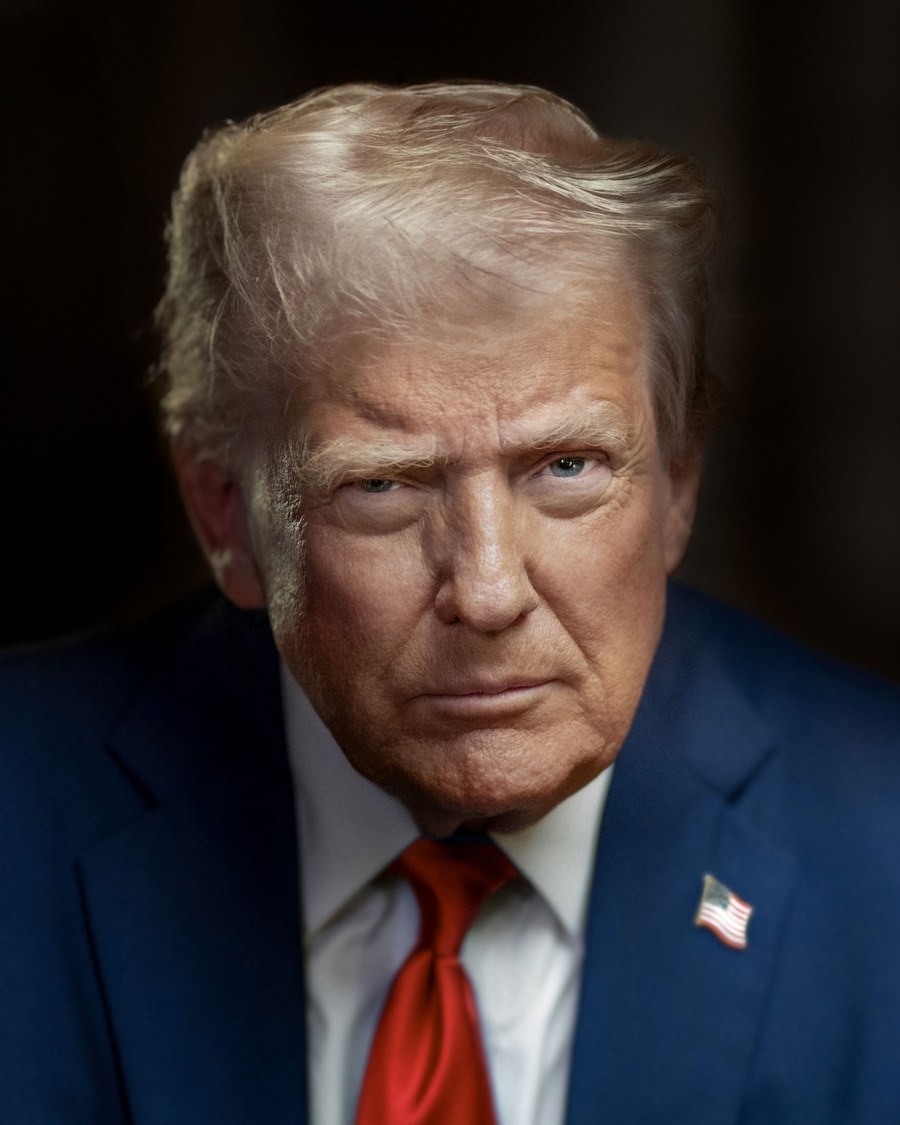
The United States is putting money back into parts of the global health and humanitarian pipeline it had slowed or frozen — including support tied to Gavi, UNICEF and the World Food Programme. The amounts remain far below prior peak U.S. spending, according to New York Times reporting on the State Department track, but the direction matters: partial restoration after review, not a full return to the old baseline. On the PolitiCap civic market, the executive names on the tape are President Donald Trump (TRUMPD) and Secretary of State Marco Rubio (RUBIOM).
The wire-level story is about malnutrition, vaccines, and disease control meeting an administration that wants measurable conditions, lower overhead, and distance from institutions it distrusts. Players who hold virtual stakes in head-of-government and cabinet politician ticker listings read that as an accountability signal: who owns the restart, who owned the freeze, and whether crowd attention treats the move as pragmatism or as a climbdown.
What changed on the funding line
Public reporting in mid-to-late 2026 described a package of restored or newly structured awards. Gavi, the vaccine alliance that helps low-income countries buy routine immunizations, saw hundreds of millions in previously held U.S. funds released after months of delay. Separate State Department announcements earlier put more than a billion dollars into macro awards spanning UNICEF and the World Food Programme for food, nutrition, health, and logistics in high-need countries.
The Times framing is careful: restoration is real, scale is still constrained relative to historical U.S. outlays, and the political branding is reform and accountability rather than a blank-check return to pre-review practice. Desk copy should not invent dollar tables the source does not lock; the usable fact is partial reopen of the spigot under conditions.
Conditions, vaccines, and the domestic politics of aid
Health Secretary Robert F. Kennedy Jr.’s skepticism of certain vaccine formulations and multilateral partners shaped the Gavi standoff in concurrent reporting. Release followed commitments around formulation transitions, COVID-era procurement language, headquarters sizing, and monitoring — details that will keep moving as implementers report back. Secretary Rubio’s State Department sits on the diplomatic and humanitarian award side of the same administration.
None of that requires cheerleading. It requires naming the officeholders whose signatures and freezes moved money. TRUMPD sets the foreign-aid posture; RUBIOM runs the department cutting the awards; health leadership influences the vaccine channel. PolitiCap lists people, not acronyms, so the tape stays on the humans.
Why a civic market cares about Gavi and WFP
PolitiCap does not clear vaccine doses. It clears attention around public office. When a president who campaigned on sharper sovereignty over multilaterals restores targeted flows, two audiences watch: voters who wanted deeper cuts, and global-health constituencies who wanted the old baseline. That tension is exactly what a Politi Market Cap path is for — dibs-backed interest without a cash-out rail.
Dibs (virtual DutchBud credits) and other virtual credits stay inside the closed-loop ledger. The product question is whether TRUMPD and RUBIOM attract more tape while outbreaks, famine risk, and congressional appropriators argue over the next tranche. Index-listed executives make that argument searchable.
Geopolitics without the slogan dump
Humanitarian channels are also geopolitics by other means: influence in partner capitals, disease security at borders, and competition with other donors. A partial restore under reform language can be sold as America-first efficiency or attacked as insufficient. The desk’s job is to keep both claims attributed and to keep the politician ticker links intact so the mu-plugin face layer and the human reader share the same anchors.
Toward the wider dual IPO calendar, foreign-aid pivots are another reminder that head-of-state listings absorb policy whiplash faster than institutional brands. Gavi and WFP will issue their own dashboards; PolitiCap will keep scoring the people who green-lit the wire transfer.
What to watch next on the tape
- Whether restored Gavi funds translate into on-time procurement or further condition fights.
- How UNICEF/WFP macro awards perform against fraud and overhead metrics the administration advertised.
- Congressional pressure to raise or rescind the new baseline.
- Relative crowd attention on TRUMPD versus cabinet names when the next outbreak headline hits.
No invented quotes, no process confession — only the governance fact pattern and the listings that make it playable. Every voter deserves a market for attention; this week’s market is partially reopened health aid under a second-term White House.
Source: The New York Times. Rewritten for the PolitiCap game.


Leave a Reply