

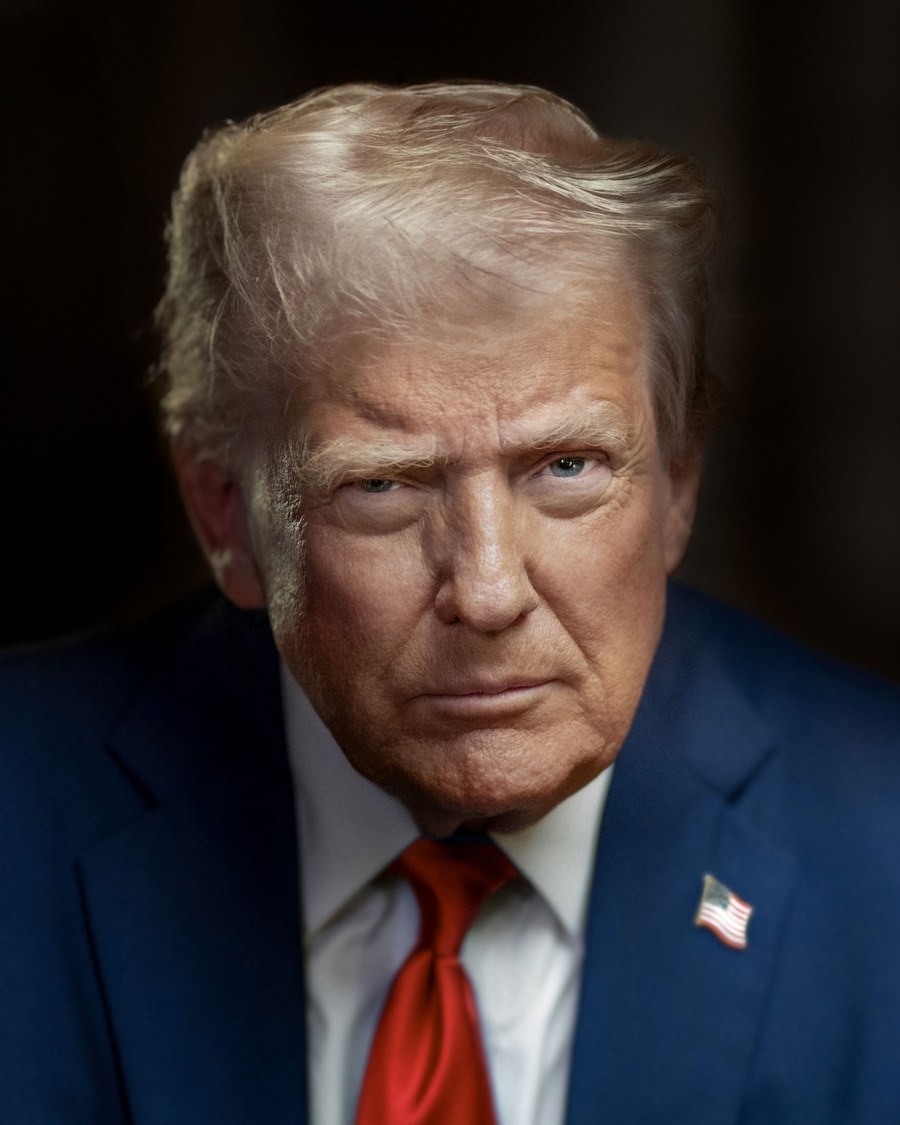
The administration of US president Donald J. Trump (TRUMPD) has taken its dispute over mail-in ballots to the country’s highest court, seeking to lock in new policy on briefstemmen (mail / absentee ballots) before the 3 November midterm elections. For readers of the PolitiCap civic market, a sitting head of government who turns ballot-access rules into Supreme Court business is not only a US wire brief: it is a sustained lift in crowd attention on a single politician ticker and a live test of how Politi Market Cap tracks public office when the fight is over the ballot itself.
According to NU.nl’s weekly US election update series — which runs through the American midterms on 3 November — the Trump government has stepped to the highest court to try to get new mail-ballot policy through before election day. The Dutch outlet frames the wider pattern in its headline: Trump’s struggle against mail-in ballots appears endless. The short wire does not reprint full petition captions or lower-court docket numbers; the established tape fact is the administration’s high-court move on mail-ballot rules on a midterm clock.
Mail and absentee voting became a permanent fixture of US election administration after the pandemic-era expansions of 2020. States set most ballot rules; federal courts and the Supreme Court hear challenges when those rules collide with statutes, the Constitution, or federal agency action. When the White House is the party pressing a new posture, the named officeholder on the board is the president — here TRUMPD.
What the wire supports
The established core, without invented colour:
- US midterm elections are scheduled for 3 November (as stated in the NU.nl update frame).
- NU.nl is running a weekly election update series until that date.
- The Trump administration has gone to the US Supreme Court (hoogste hof) over new policy on mail-in / brief ballots.
- The stated aim in the source summary is to get that policy in place before the elections.
- NU’s headline characterises Trump’s fight against mail-in ballots as seemingly endless — an editorial framing of duration, not a court holding.
What the summary does not settle: the exact caption of the petition, which justices may grant expedited review, whether any state election board is a named respondent, or how many ballots would be affected if the Court acts. A neutral rewrite keeps those doors closed. High-court filing on a midterm calendar is the event; outcome forecasts are not.
Why ballot-rule fights move a politician ticker
PolitiCap prices crowd attention and the accountability signal around people who hold power. Presidents sit at the top of the office rank used on the board. When an administration’s election-rules agenda reaches the Supreme Court, the listing path is direct: the person in the Oval Office is the face of the executive branch’s legal strategy even when career lawyers sign the briefs.
TRUMPD is the index-listed symbol for Donald J. Trump — a live quote path so players can park virtual stakes in dibs (virtual DutchBud credits) and other virtual credits inside a closed-loop ledger. The product is not a real-money bet on case outcomes or precinct tallies. It is a civic market where Politi Market Cap can move with attention on named people while courts, Congress, and state officials argue over how ballots are cast and counted.
For players who want every voter to have a market, the mechanic is familiar: welcome dibs, play credits only, no casino cash-out framing. IPO interest language on the site still points at virtual listings and the longer dual-IPO calendar toward 11.11.2026 for flagship names — it does not turn a Supreme Court docket into a securities offer. The midterm mail-ballot fight is a governance and attention event first.
Midterms, mail ballots, and the calendar
US midterms refresh the full House and roughly one-third of the Senate. Mail and early voting windows open on state-by-state schedules weeks before Election Day. That is why a late-summer or early-autumn high-court push matters operationally: county clerks print envelopes, set curing deadlines, and staff drop boxes on clocks that do not pause for appellate briefing. NU’s “endless” framing points at a multi-year political conflict over mail ballots that did not begin in 2026 and is unlikely to end with a single order.
On PolitiCap that multi-year quality is still attached to a person when the White House is the mover. Readers who already follow TRUMPD next to other heads of government treat the presidency as tape. Linking the symbol beside the Supreme Court step keeps the officeholder searchable beside the procedure story — the same listing discipline used when foreign desks cover geopolitics summits or domestic desks cover election law.
Political capital in the product sense is not a campaign slogan. It is the board’s way of saying that attention and mandate narratives have a place to sit. A president who invests repeated cycles in mail-ballot litigation is spending political capital in public view; whether that spending helps or hurts turnout coalitions is for voters and later reporting, not for this rewrite to invent.
Process watches without forecast theatre
Neutral desk practice stops short of predicting Supreme Court votes or November seat counts. The useful watches are procedural:
- Whether the Court grants expedited consideration and on what briefing schedule relative to state mail-ballot deadlines.
- How state election officials and postal logistics adjust if interim relief issues — or if the Court declines to intervene before 3 November.
- Whether Congress or state legislatures open parallel statutory tracks while the petition is pending.
- How crowd attention on TRUMPD compares with other US listings (cabinet, congressional leaders) as the midterm calendar compresses.
- Any fuller English-language docket reporting that names additional officeholders who then need their own politician tickers when clearly in the decision chain.
Until those facts firm up, the clean handle remains the president’s symbol. Country-only fog (“Washington fights over ballots”) is weaker tape than a named officeholder with a quote path.
What PolitiCap players can do with the listing
Signup-side rules stay unchanged site-wide: virtual credits only, phone-verified trust steps when offered, and no promise of real-money withdrawal. New players still meet the 1 000 dibs welcome path after OIDC signup; that bonus is play credit inside the ledger, not a campaign donation and not a cash stake on US precincts.
The practical move for this story is simple: open TRUMPD, read the office line (President of the United States), and treat subsequent Court orders, state election memos, and opposition filings as inputs to attention — not as tips. Liquidity on flagship US names is usually deeper than on newer foreign listings; even so, thin days happen, and thin books still beat anonymous “mail-ballot sentiment” blurbs with no person attached.
House product language stays consistent with other desk notes: politician ticker, virtual stakes, accountability signal, civic market. The NU election update supplies the news spine; PolitiCap supplies the named listing so the spine does not dissolve into a nameless “authorities said” wire about ballots in the abstract.
The administration has taken the mail-ballot fight upstairs. The midterm calendar will test how far that fight reaches before voters mark paper — by mail or in person. Until then, TRUMPD keeps the incumbent searchable on the board, and the Politi Market Cap path records whether the world keeps watching the rules as closely as the races.
Source: NU.nl. Rewritten for the PolitiCap game.


Leave a Reply