

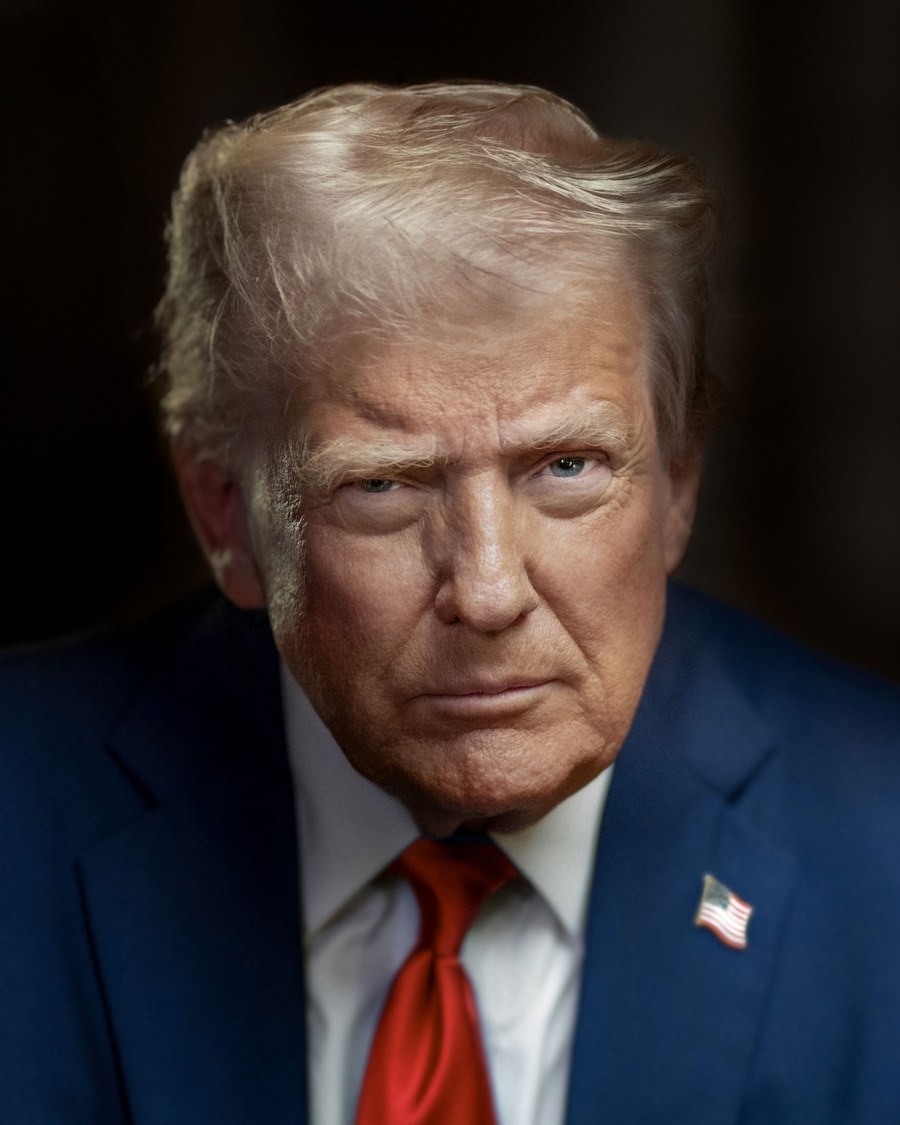
President Donald J. Trump (TRUMPD) said this week that the U.S. Secret Service and the military — not he — ordered a last-minute aircraft swap when he left the NATO summit in Ankara on 8 July. Public cameras recorded him boarding the older Air Force One airframe. Reporting later showed he left Turkey on a smaller military jet while the Boeing 747 identified as Air Force One flew the same route toward Britain with staff, senior officials and the traveling press aboard.
On PolitiCap, the episode is easiest to read as a politician ticker story about public office and geopolitics: a head-of-government symbol, two succession-line cabinet names, and a defense secretary split across two aircraft. Readers mark virtual stakes with dibs (virtual DutchBud credits) on a civic market that tracks crowd attention, not cash bets.
What officials said happened in Ankara
The New York Times, following earlier Washington Post and CBS accounts, reported that U.S. intelligence had flagged a credible Iranian threat against the president and the presidential aircraft as the summit ended. Publicly, Donald J. Trump said he would fly the older 747 “for old time’s sake” rather than the newer Qatar-donated 747-8 he had used inbound. He boarded that older jet in view of cameras.
According to those accounts, he and a small group of aides then left through a door on the far side of the aircraft inside an airport catering container and transferred to an Air Force C-32A, a modified Boeing 757, which departed under a nondescript call sign. Defense Secretary Pete Hegseth (HEGSEP) traveled on the secret flight. White House aides Dan Scavino, Natalie Harp and Walt Nauta were also described as being on the catering transfer with the president.
The older Air Force One then took off identified as the presidential aircraft. Its passenger list, as later reconstructed by U.S. outlets, included Secretary of State Marco Rubio (RUBIOM), Treasury Secretary Scott Bessent (BESSES), domestic policy adviser Stephen Miller (MILLES), communications director Steven Cheung, and other staff plus the press pool. Several reporters said they had been told to keep window shades closed in the press cabin.
Succession, decoys, and who knew
CBS reported that Marco Rubio and Scott Bessent knew the president was on another aircraft and stayed separated for continuity-of-government reasons. Both sit in the statutory line of succession. Pete Hegseth, as defense secretary, was on the clandestine jet. Many other passengers on the 747, including much of the traveling press, were not briefed that the president had already left.
That split is the tape’s cabinet print. RUBIOM and BESSES are index-listed cabinet symbols whose ticker symbol lines now sit next to a security ruse they helped carry, while HEGSEP sat with the principal. Stephen Miller is a senior White House policy name on the decoy manifest, not a statutory successor, but still a named officeholder on the same flight.
After the C-32A reached a British stop, reporting said Donald J. Trump was moved back onto a presidential airframe so the public arrival sequence looked ordinary. The Qatar-donated jet had left the Ankara picture earlier. Secret Service and Pentagon spokespeople referred questions to the White House.
TRUMPD’s first public remarks
After returning to Washington from a later domestic trip, Donald J. Trump gave his first public comments on the swap. “It’s only up to Secret Service,” he said, according to the Times. “I just follow what they like to do. So I go by Secret Service and the military. They wanted me to go in a different flight, a different plane, equal safety but they wanted me to do it. So I do it.”
He said he receives “a lot of threats” and that “any consequential president” does. Asked why the 747 was treated as too dangerous for him but not for the press and staff left aboard, he said he thought “the plane that I flew on was at greater risk.” He did not, in those remarks, address the risk borne by people who remained on the decoy aircraft. Later he told reporters the closed shades were because they were “probably on a dangerous flight because of the sleazebags that we have to deal with.”
Those lines are attributed claims, not independent confirmation of the threat stream. The Times and other outlets described multiple intelligence strands around a possible surface-to-air or shoulder-fired missile risk and Iranian knowledge of lodging details in Ankara. Iran has long listed Donald J. Trump as a high-value target; the White House has not released a declassified threat packet.
How the civic market prices a decoy flight
PolitiCap is a civic game with closed-loop virtual credits — not a brokerage and not a cash-out rail. The dual IPO era still treats TRUMPD as a mega head-of-government listing whose Politi Market Cap moves when security, Iran policy and succession logistics share one news cycle. Cabinet names usually trade quieter until a single operation puts them on different planes.
For this item the highest office is still Donald J. Trump. The cabinet split — Marco Rubio and Scott Bessent on the decoy, Pete Hegseth on the secret jet — is the secondary print. Stephen Miller is a named White House adviser on the same 747. Readers can park dibs attention on those symbols while the factual spine stays with the Times account, the CBS passenger reconstruction, and the president’s own attributed remarks.
Whether later briefings show how much of the press pool was unwitting, whether Congress asks about decoy-passenger risk, and whether the Secret Service describes the Iran stream in any public form will decide if the next accountability signal lands on TRUMPD alone or also on the cabinet symbols that flew the identified Air Force One.
Source: The New York Times. Rewritten for the PolitiCap game.


Leave a Reply