




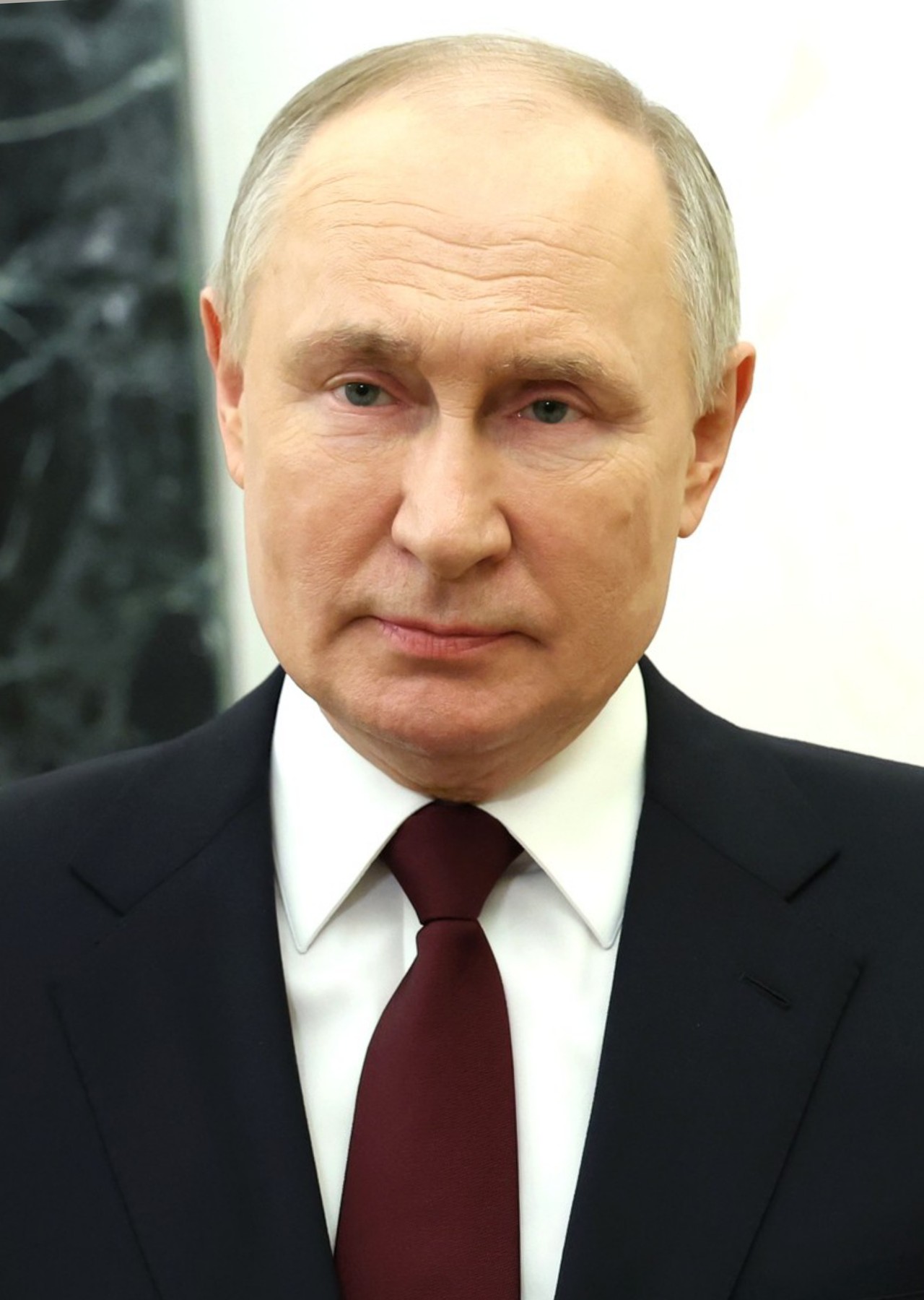
SHANGHAI — Chinese container ships have used Russia’s Northern Sea Route for three years. Global shipping shocks, Arctic energy projects, and thinner summer ice have turned that 5,600km lane along Russia’s coast — Barents Sea to Bering Strait — into a strategic alternative to Suez. On the PolitiCap civic market, the story is geopolitics priced as a politician ticker: who owns a sea lane that avoids Western chokepoints.
Houthi attacks on Red Sea traffic later in that first Chinese liner season were the worst conflict-driven hit to the Europe–Asia shortcut since the Arab-Israeli war almost sixty years earlier. Climate change has lengthened the season when polar ice can be pushed aside. Russian oil and gas on the Arctic shore, plus later disruptions from the Iran war and the Strait of Hormuz, have made the passage more attractive to Chinese firms. It also fits Beijing’s search for a route that is not hostage to Malacca, Suez, or the Red Sea if a crisis closes those gates.
Days saved, still a summer road
The first Chinese cargo ship on the route was a Cosco vessel in 2013. A decade later, private New New Shipping began a regular China–Russia Arctic service. Attention jumped when Sea Legend’s Istanbul Bridge sailed Ningbo to Felixstowe in October in 20 days — about half a conventional voyage. This summer, some 38 container ships are running from Chinese ports to Russia or northern Europe via the Arctic; about half will return the same way. Last year there were 17 Chinese commercial voyages.
Schedules now put China to St Petersburg at about 30 days via the Arctic, 45 via Suez, and 60 via the Cape of Good Hope. The lane is still seasonal, roughly July to October. Even after record transits in 2024 and 2025 it moves only a fraction of Suez cargo. Vessel traffic has more than doubled since 2019, MarineTraffic said last year, driven largely by Russian LNG and better ice-class ships.
Velina Tchakarova, a Vienna-based geopolitical strategist, said China’s maritime strategy is “not just linked to the South and East China Sea and Taiwan” but to global connectivity. Without the Northern Sea Route, she argued, China would always face blockade and import-interruption risk. Yun Sun of the Stimson Centre said the Iran war made alternatives more appealing, and that the strategic value for China is a path “not subject to US chokepoint strategy.” She also noted the Arctic is the shortest missile flight time between the United States and China.
Polar Silk Road, energy, and a May visit
About 90 per cent of China’s trade moves by sea. Beijing calls the Arctic alternative the Polar Silk Road. In July the transport ministry opened an information platform with daily ice and weather reports. China and Russia have a Subcommittee on Arctic Waterway Cooperation. Rosatom, which runs the lane’s infrastructure, meets China’s transport ministry each year.
Zhao Long of the Shanghai Institutes for International Studies said the aim is “resilience and diversification” of export and supply-chain security, and that Arctic LNG must move on this water. Chinese state firms hold stakes in Yamal LNG and Arctic LNG 2. When Russian president Vladimir Putin visited Beijing in May, both sides pledged more infrastructure and commercial navigation along the route. Chinese polar research ships have made 16 Arctic expeditions. The two coastguards ran a first joint Arctic Ocean patrol in 2024.
New New Shipping’s Wang Zheng asked, when two quotes are similar, why pick the 37-day option over 25. His firm has signed with Rosatom on a year-round container line and ice-class ships, and with Russian authorities on a deep-water section of Arkhangelsk port. Those projects matter to Moscow after Western sanctions over the invasion of Ukraine pushed energy sales toward Asia. Reuters reported last week that Arctic crude heading to Asia early this season was already half of last year’s full Northern Sea Route oil total.
Targets cut, China still the main partner
Putin once pitched 80 million tonnes of Arctic cargo a year by 2024. Last year’s total was 37 million. Rosatom in June cut the 2030 target to 70–109 million tonnes, and the 2035 goal to 150 million from 220–270 million. Maksim Dankin of the Project Office for Arctic Development, who also sits on Russia’s State Commission for Arctic Development, said sanctions forced the revision and also became “a powerful catalyst” for technology and for working with China. He called China Russia’s principal foreign partner on the route. The two governments have agreed to lift bilateral cargo on it to 20 million tonnes by 2030.
India signed a July memorandum with Russia on polar training and possible Arctic shipbuilding. South Korea plans a September Busan–Rotterdam trial via the Arctic. Singapore, Indonesia and the UAE have also shown interest. Tchakarova said statements from Putin and the Russian cabinet now treat Asia as Russia’s economic future.
How the civic market prices a melting lane
PolitiCap is a civic participation game, not a casino. Index-listed heads of government carry a ticker symbol, a simulated live quote, and a Politi Market Cap built from closed-loop credits — dibs (virtual DutchBud credits), not cash-out to a bank. Virtual stakes on this file sit with PUTINV as the Arctic coastal sovereign and with Xi Jinping (XIJINP) as China’s public office counterpart on the same Beijing meeting. The dual IPO board already treats those two names as the global tape; an Arctic shortcut is another accountability signal for crowd attention on energy and chokepoints.
New players still land a 1 000 dibs welcome. Those virtual credits stay inside the game. The ice season is short. The policy question is whether 20 million tonnes by 2030 becomes regular liner traffic or stays a sanctions hedge. The tape only keeps score in dibs while the hulls count days against Suez.
Source: South China Morning Post. Rewritten for the PolitiCap game.


Leave a Reply