

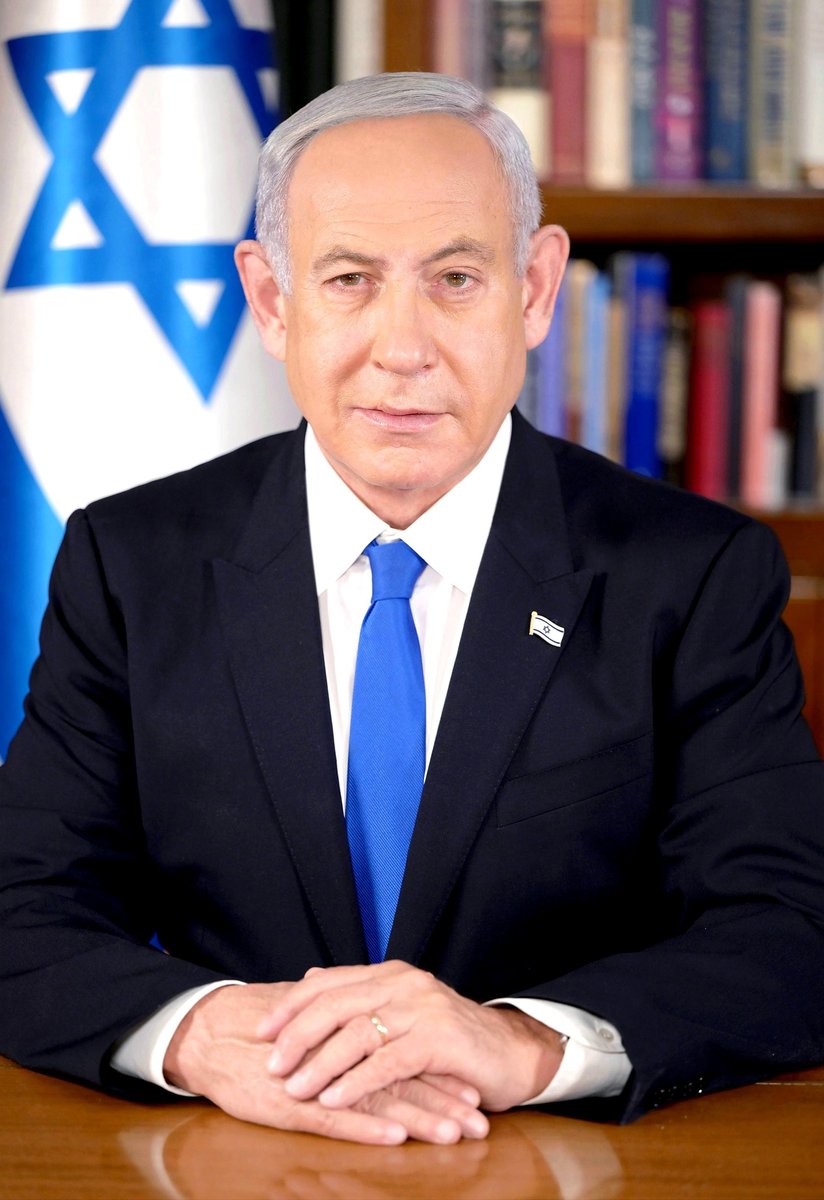
ANKARA / JERUSALEM — Turkey publicly denounced Israeli Prime Minister Benjamin Netanyahu for pursuing what Ankara called “expansionist and destabilizing policies” after Israel struck Syria’s Abu al-Duhur airbase near Aleppo. Netanyahu’s office said the base was about to host a Turkish deployment that would breach a security understanding; Turkey called that claim “untenable” and a pretext for unlawful strikes on Syrian sovereignty.
On the PolitiCap civic market, the episode is a three-capital tape — Ankara, Jerusalem and Damascus — with a Washington envoy line running through it. Politician ticker volatility here is about airbases, force posture and election calendars, not a cash broker ticket. Dibs (virtual DutchBud credits) track the accountability signal as statements stack.
The strike and Israel’s rationale
Netanyahu’s office took responsibility for the Tuesday morning strike the following day. It said Syria was on the verge of allowing Turkish troops to deploy from Abu al-Duhur, which Israel framed as a threat. “Israel repeatedly warned Syria that such a deployment would pose a threat to Israel’s security,” the office said. “Syria chose to ignore these warnings. Israel will not tolerate threats to its security, and would welcome a return to the status quo.” Reporting said the strike caused damage but no casualties.
The base, east of Idlib and near the Aleppo axis, has appeared in wartime photography since opposition forces took the area in late 2024. For Israel, any foreign military footprint that hardens Syrian air infrastructure near contested northern and central corridors is a red line language problem. For Turkey and Damascus, Israeli munitions on sovereign Syrian runways are the red line.
Ankara’s reply
On Wednesday Turkey rejected Israel’s allegations as cover for strikes that violate Syria’s territorial integrity. A government social-media statement tied the accusations to Netanyahu’s “intent to pursue expansionist and destabilizing policies in the region ahead of the elections in Israel.” It said lasting peace requires Netanyahu to abandon “aggressive and coercive policies” and respect international law, and that Türkiye will keep cooperating with the Syrian government “on a legitimate basis” and “will never allow the destabilization of Syria.”
President Recep Tayyip Erdogan’s government has trained elements of Syria’s rebuilt forces since the post-Assad transition. That cooperation is exactly what Israeli officials say they want constrained south of Damascus and limited near the border; it is also what Ankara presents as stabilizing assistance to a recognized partner government.
Damascus and the U.S. lane
Syrian President Ahmed al-Sharaa, who led rebel forces that ousted Bashar al-Assad and became the country’s new leader in January 2025, has not issued a full matching wartime brief in every wire, but U.S. diplomats publicly described his posture as preferring de-escalation with Israel and not running proxy armies in the old Assad style.
U.S. Ambassador to Turkey and special envoy for Syria Tom Barrack criticized the Abu al-Duhur strikes as “an unnecessary escalation that does not advance regional stability,” even after a senior Israeli official told Fox News that “highly sensitive intelligence was shared with the United States in advance.” Barrack said he is working on a deconfliction mechanism among Israel, Turkey and Syria. President Donald J. Trump has backed engagement with al-Sharaa’s government, including a late-June lift of broad economic sanctions on Syria.
The longer border file
Since Assad’s fall in December 2024, Israel has repeatedly struck Syrian targets it says would rebuild military capacity near the frontier. Netanyahu reiterated in July that he wants the region south of Damascus demilitarized and has also cited protection of Druze communities. Turkey accuses Israel of using those rationales to keep Syria weak. The Abu al-Duhur episode folds the Turkish training channel into that same dispute.
Israeli domestic politics sit in the background of Ankara’s wording. Turkey explicitly linked Netanyahu’s “expansionist” framing to the run-up to Israeli elections. That is a diplomatic jab, not a poll result: it asserts that regional force is being used for coalition and campaign positioning as much as for narrow self-defense.
Civic-market stakes
NETANB prices the Israeli executive that claimed the strike and the demilitarized-south doctrine. ERDOGR prices the Turkish state that trains Syrian forces and rejected Israel’s deployment narrative. SHARAA prices the Damascus presidency caught between reconstruction, Turkish partnership and Israeli red lines. BARRAT and TRUMPD price the U.S. deconfliction and sanctions-relief lane that does not automatically bless every Israeli munition over Syrian concrete.
None of these listings are securities you can cash out. Politi Market Cap here is a closed-loop game of virtual stakes and virtual credits on how Levant force posture moves. The dual-IPO calendar still points at 11.11.2026 for other headliners; this week’s airbase fight is the interim lesson that index-listed leaders still reprice when runways and training missions collide on the wire.
Watch for three mechanical tells: whether Turkey and Damascus publish a joint basing or training schedule Israel cannot ignore; whether Barrack’s deconfliction channel produces written rules of the road; and whether Netanyahu restates the south-of-Damascus demilitarization line after the election-season charge from Ankara. Until then the civic market trades the gap between “status quo” and “sovereignty.”
Source: Fox News. Rewritten for the PolitiCap game.


Leave a Reply