
UNITED NATIONS — Secretary-General António Guterres is seriously concerned by United States sanctions on two senior figures at the International Criminal Court, his spokesperson said, framing a fresh clash between national power and the Hague-based court that traders on the PolitiCap civic market will price as institutional risk, not courtroom drama.
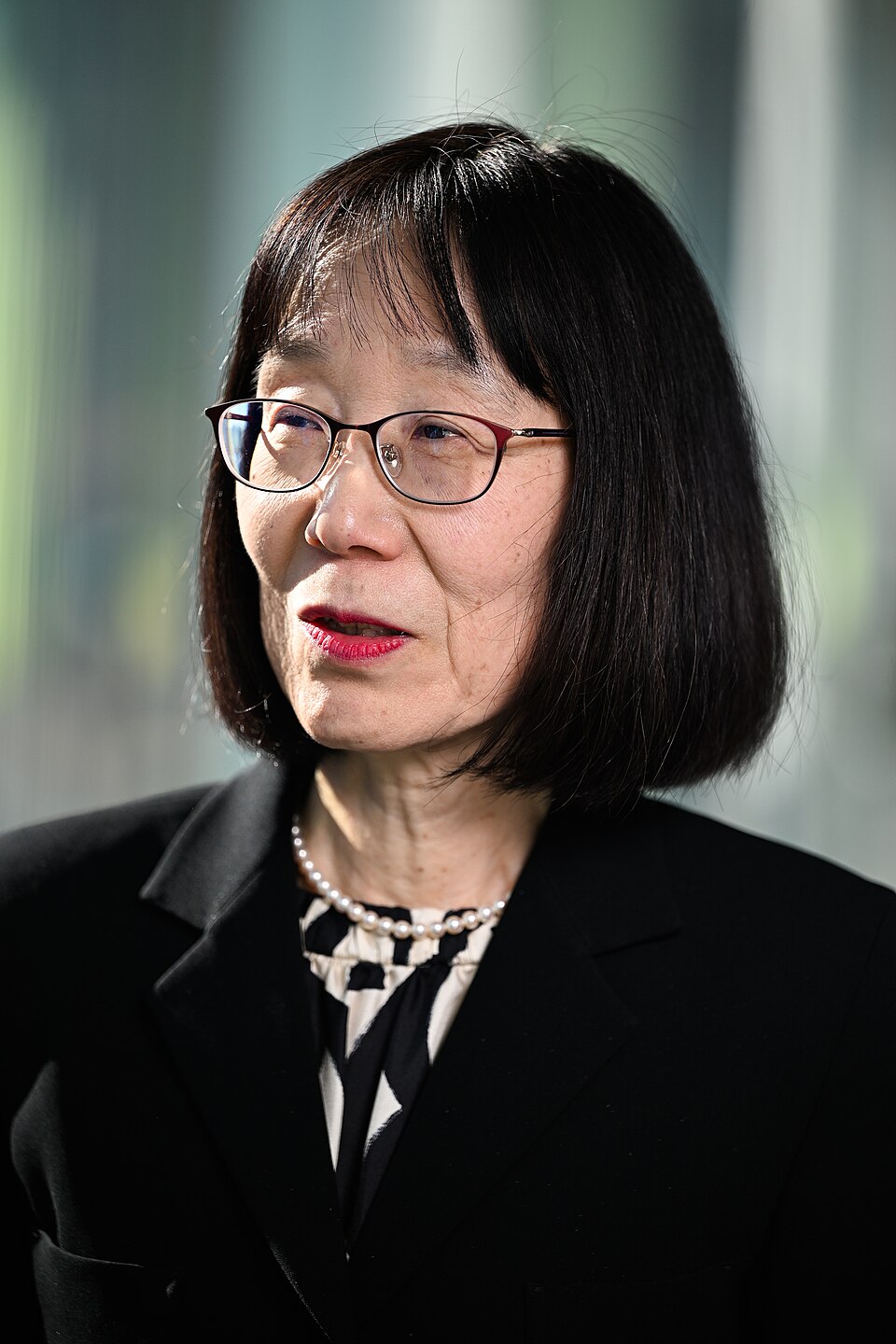
Spokesperson Stéphane Dujarric told reporters the world body had seen the US announcement designating ICC President Tomoko Akane and senior trial lawyer Abdoulaye Seye. “The secretary-general expresses serious concern about this designation, as well as the ongoing designation of other International Criminal Court employees,” Dujarric said, according to the wire account.
The United Nations and the ICC are separate institutions with distinct mandates. Still, Dujarric stressed that the UN treats the Court as a key pillar of international criminal justice and that Guterres “very much respects” its work. That institutional distance matters for readers who treat every Hague headline as a UN vote: it is not. For PolitiCap, the distinction still lands on the same tape — multilateral credibility, enforcement gaps, and how virtual stakes move when great-power sanctions touch judges and prosecutors rather than only defendants.
What the designations target
Akane, a Japanese jurist, holds the ICC presidency; Seye serves in the Office of the Prosecutor as a senior trial lawyer. US measures against sitting Court officials are rare enough to jolt diplomatic calendars in The Hague, New York, and Washington at once. The public notice, as summarized in regional coverage, sits in a longer US–ICC dispute line over jurisdiction, nationals of non-party states, and whether national courts or the Rome Statute system should have the last word.
Neither the UN readout nor the CGTN rewrite published full legal annexes of the sanctions package. Desk notes therefore stick to attributed claims: the designations exist; the Secretary-General objects in measured language; the Court remains a separate pillar the UN leadership says it respects. Invented quotes and imagined indictments stay off the page.
Civic-market read: tickers, not tribunals
On PolitiCap, politician ticker symbols turn named officeholders into listable instruments with a Politi Market Cap denominated in closed-loop dibs (virtual DutchBud credits). GUTERA, AKANET, and SEYEA are not securities and not a prediction market for convictions. They are game rails so participants can mark accountability signal when international law meets unilateral sanctions.
A sanctions hit on the Court’s presidency is a different volatility profile from a floor speech in a national parliament. It compresses several books at once: Japan-linked judicial capital (Akane), African OTP staff risk (Seye), and the UN chief’s multilateral franchise (Guterres). Players who hold index-listed exposure through SPECIAL or national shells will watch whether the designations widen to more OTP names — Dujarric already flagged “ongoing designation of other” Court employees.
Product framing stays plain. Dual IPO season toward 11.11.2026 is about heads of government on the main board; Hague personnel are satellite listings. Still, satellite stress feeds the same ECN habit: one board, many jurisdictions, continuous mark-to-narrative. New members still land with the standard welcome of 1 000 dibs when they open an account — play credits for the civic game, not a cash-out window.
Washington, The Hague, and the tape
US policy toward the ICC has swung across administrations. This latest package, as reported, lands while other files — Ukraine, Gaza-related warrants debates, African situations — already keep the Court in partisan US argument. The Secretary-General’s “serious concern” line is the UN’s institutional minimum: protect the idea of international criminal justice without claiming operational control of ICC dockets.
For European capitals that host and fund the Court, sanctions on the president are a diplomatic event even if national foreign ministries issue only cautious notes. The Hague is both a city of courts and a liquidity metaphor on PolitiCap’s place filters: scope stacks World with United States and Netherlands because the story is global, the measures are American, and the building sits in Den Haag.
Traders who want a US executive proxy already have Donald J. Trump on the board as the sitting US president ticker. This wire does not quote him; it records UN reaction to US designations. Linking TRUMPD here is tape hygiene for the national pole of the story, not a claim that the White House read out the sanctions in the CGTN piece.
What to watch next
Three markers matter more than rhetoric. First, whether additional ICC staff join the sanctions list — the spokesperson’s “ongoing” language leaves that door open. Second, whether States Parties answer with joint statements, amicus filings, or budget politics at the Assembly of States Parties. Third, whether the designations affect travel, banking access, or case calendars in practice — the hard edge of sanctions beyond the press release.
Until those facts move, the PolitiCap desk marks the episode as an institutional shock with clear named listings: GUTERA for the UN reaction, AKANET and SEYEA for the designated officials, TRUMPD as the US executive pole. Virtual credits stay inside the game; the court’s docket stays outside it. Readers who want the primary wire should use the source link below.
Source: CGTN. Rewritten for the PolitiCap game.


Leave a Reply