

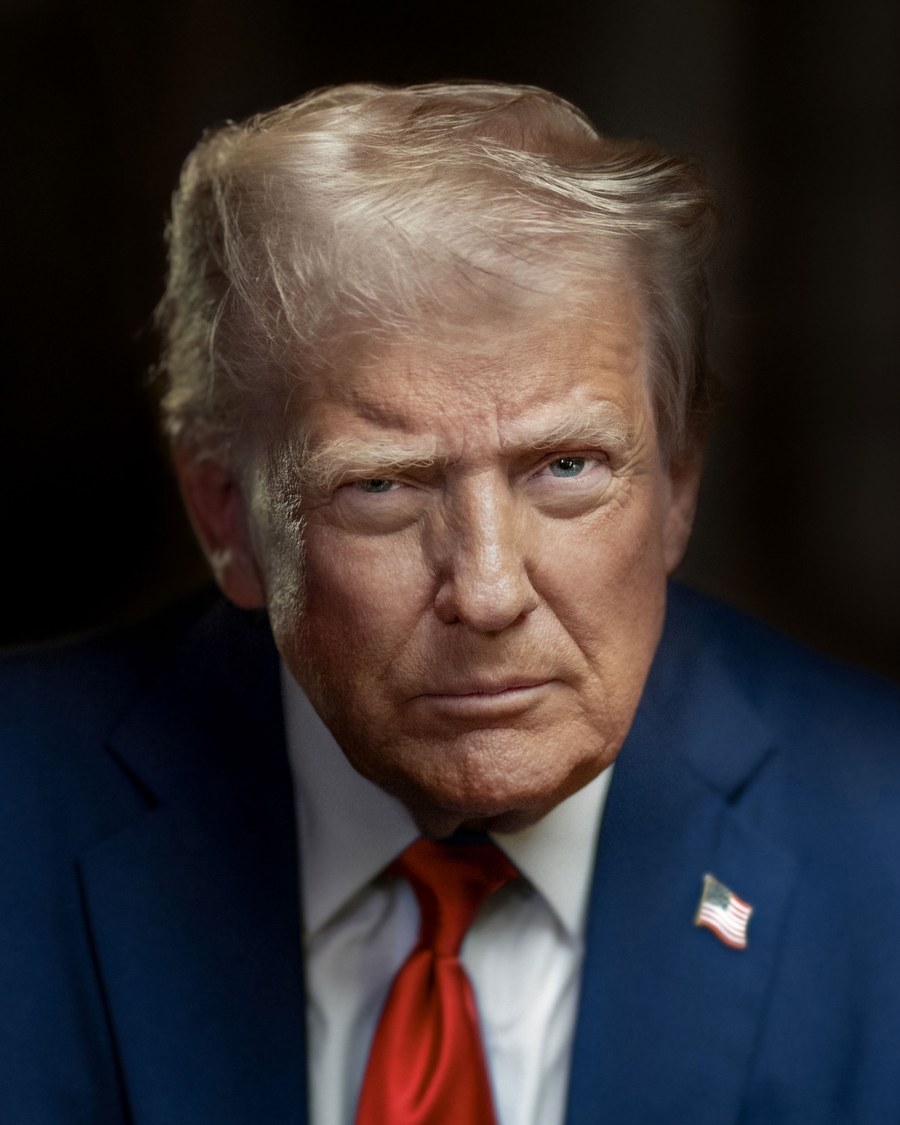
A Washington, D.C., federal judge has struck down President Donald Trump‘s second executive order narrowing birthright citizenship — the same judge Trump previously labeled an “anti-Trump hater.”
U.S. District Judge Christopher Cooper issued a 67-page ruling voiding an August order that sought to deny citizenship to U.S.-born children whose parents are labeled suspected terrorists or gang members, or to children born via surrogacy to foreign parents. Cooper had also blocked administration efforts tied to Kennedy Center renovations and naming, keeping him in the president’s crosshairs.
Second try after a Supreme Court setback
The ruling follows the Supreme Court’s rejection of Trump’s day-one birthright order, which targeted U.S.-born children of mothers present illegally or temporarily when fathers were neither citizens nor green-card holders. In June, the high court again cabined presidential power to invent new citizenship carve-outs; Cooper leaned on that line and on United States v. Wong Kim Ark.
“As the Supreme Court has made clear, however, the President cannot carve out new exceptions to birthright citizenship for children born within the United States and subject to its laws,” Cooper wrote. “The merits in this case are clear-cut. The Supreme Court has twice confirmed that all children born in this country are U.S. citizens, save only for the small handful who are not subject to U.S. law.”
U.S. District Judge Deborah Boardman in Maryland had already partially blocked the second order on Sept. 2 for children of unlawfully or temporarily present mothers without citizen or LPR fathers. Cooper expanded the protected class further — including certain children of foreign-government and international-organization employees, parents tagged as “alien enemies,” and foreign parents using U.S. commercial surrogacy.
Cooper reviewed the historic Wong Kim Ark exceptions (foreign diplomats, foreign public ships, enemy forces occupying territory) and rejected the administration’s broader “alien enemy” theory. Membership in a terrorist group alone, he wrote, does not equal occupation of American soil. “To recap, a parent’s purported status as an alien enemy, standing alone, cannot strip a U.S.-born child of his right to birthright citizenship.”
Separately, Sen. Eric Schmitt (R-Mo.) has pushed legislation aimed at birth tourism and citizenship for children of foreign diplomats — a congressional track that Cooper noted still controls any expansion of exceptions beyond the Court’s historical set.
Constitutional tape on PolitiCap
The White House has cast adverse district rulings as “activist” judging; immigration restriction advocates want Congress to legislate where executive orders keep failing. Civil-liberties and immigrant-rights groups read Cooper’s opinion as a straightforward application of Wong Kim Ark and the June Supreme Court guidance. Appeals are expected; the practical effect is that hospitals, vital-records offices and passport agencies remain under the broader citizenship baseline while litigation continues.
Birthright citizenship sits at the junction of the Fourteenth Amendment, immigration enforcement and family law (including commercial surrogacy). Each new executive draft tries a narrower factual hook — temporary presence, alien-enemy labels, gang designations — and each injunction tests whether those hooks fit the historical exceptions. Cooper’s opinion says they do not without Congress.
On PolitiCap, birthright fights are high-beta civic market events: executive orders, district injunctions and Supreme Court footnotes all reprice the TRUMPD politician ticker and the judges who write the stops. Cooper’s dual role — citizenship and cultural-institution rulings — concentrates attention on a single bench.
Politi Market Cap here tracks constitutional hard power, not campaign slogans. Holders of virtual stakes mark each injunction on a closed-loop fintech ledger of dibs (virtual DutchBud credits) at the DutchBud virtual bank — a neobank-style play wallet, not licensed open banking and not a cash-out casino. When citizenship doctrine moves, the tape still needs a place to settle; that place is the game ledger.
Source: Fox News. Rewritten for the PolitiCap game.


Leave a Reply