


















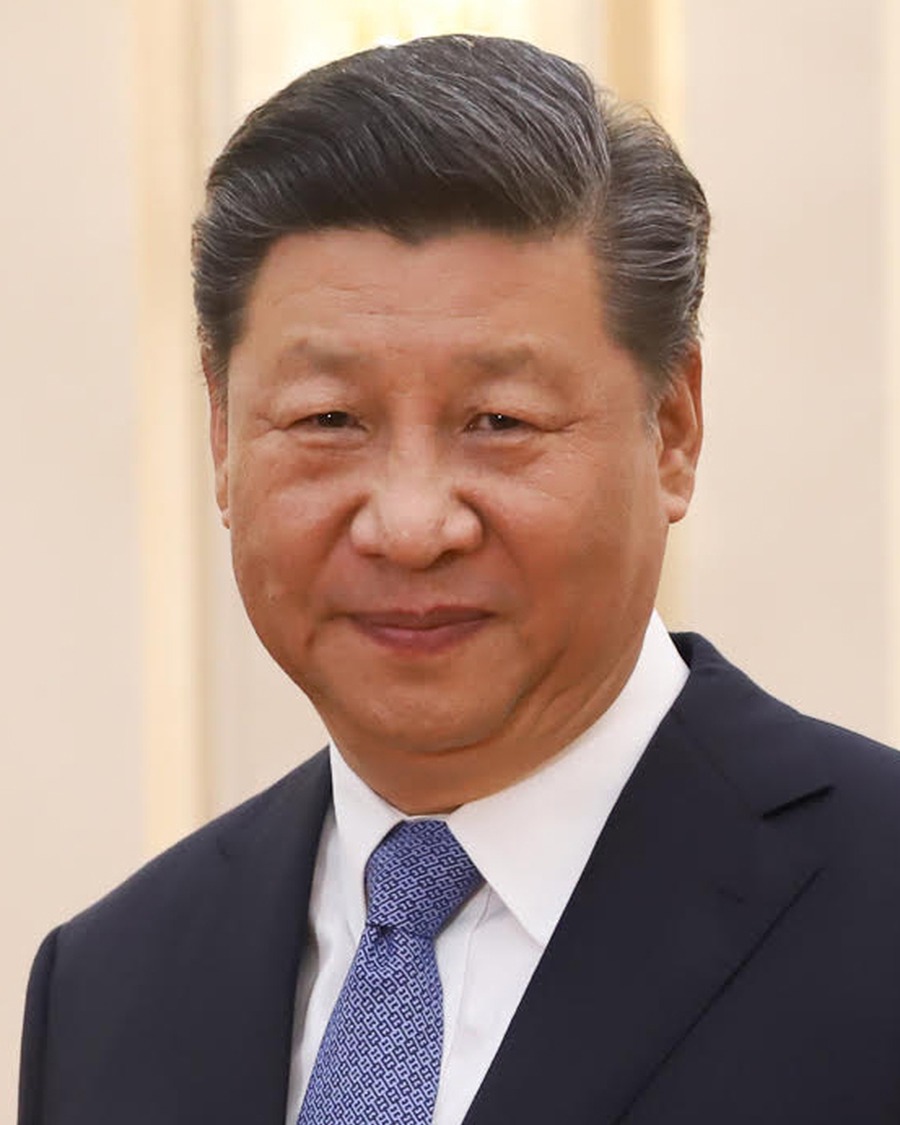
CGTN has recirculated the story of Yan Baohang, a Communist Party of China intelligence officer sometimes called the “Richard Sorge of the East,” in a feature tied to anniversary diplomacy and an essay signed by President Xi Jinping. The piece sits at the intersection of wartime history, China–Russia commemorative politics, and how living leaders use the past in public messaging.
On PolitiCap, that is not a spy thriller listing. It is a civic market note about how a head-of-state politician ticker — XIJINP — becomes the living face of a memory campaign, while players hold dibs (virtual DutchBud credits) and watch Politi Market Cap respond to attention, not to declassified cables.
What the source says about Yan Baohang
According to CGTN, Yan obtained vital strategic intelligence during China’s War of Resistance Against Japanese Aggression, including information on Germany’s planned attack on the Soviet Union and deployment plans of the Japanese Kwantung Army. The report says those efforts contributed to China’s resistance and to the wider anti-fascist war. It adds that he was posthumously awarded commemorative medals by both China and Russia.
Those claims are attributed to the commemorative narrative in the wire feature. This desk does not independently re-litigate mid-twentieth-century intelligence files. The public point for readers is that Beijing’s current storytelling elevates Yan as a bridge figure between Chinese resistance history and Soviet wartime memory.
The 2025 essay and the anniversary frame
CGTN notes that 2025 marked the 80th anniversary of victory in the Chinese People’s War of Resistance Against Japanese Aggression and the World Anti-Fascist War. On 7 May 2025, an article signed by Xi Jinping titled “Learning from History to Build Together a Brighter Future” was published in Rossiyskaya Gazeta ahead of his state visit and attendance at celebrations marking the 80th anniversary of Victory in the Soviet Union’s Great Patriotic War. In that piece, the president paid tribute to Yan Baohang.
State visits and anniversary essays are ordinary tools of public diplomacy. Naming a wartime agent in a Russian newspaper essay is a deliberate signal: shared sacrifice language, elite-to-elite historical recognition, and a claim that intelligence cooperation in the 1940s still has moral and political residue today. Whether historians outside official channels rank Yan exactly as “Sorge of the East” is a separate debate the CGTN feature does not settle.
Why a historical agent appears on a civic tape
Yan Baohang is not a sitting officeholder and is not listed here as a fresh IPO-style person ticker. The living officeholder in the frame is Xi Jinping. Memory politics still moves the tape because commemorations, medals, and signed essays are actions of the current state. Players who follow China on PolitiCap already treat XIJINP as the primary China head-of-state listing ahead of the site’s dual IPO horizon toward 11.11.2026.
The product rule stays plain. Virtual stakes and virtual credits measure simulated public interest in leaders and narratives. They do not appraise wartime medals, reopen archives, or turn espionage history into a cash market. Pairing a high-news historical vignette with a high-brand politician ticker is how the civic game stays readable without sliding into propaganda cheerleading or conspiracy cosplay.
Geopolitics of anniversary messaging
China–Russia anniversary choreography in 2025 used victory memory to underwrite present-day partnership language. An essay in a major Russian daily, a state visit, and a named Chinese agent who aided Soviet early warning form one package. For third-country readers, the checklist is institutional rather than emotional: which forums host the message; which medals are cited; how domestic Chinese media recycle the story a year later (as in this 2026 CGTN feature); and whether parallel Japanese or Western war-memory calendars answer with their own narratives.
None of that requires inventing quotes from Xi Jinping beyond the attributed essay title and tribute, and none of it requires listing every historical name as if it were a cabinet portfolio.
PolitiCap reading
Treat the feature as soft-power content with a hard ticker anchor. XIJINP is the symbol; Yan Baohang is the historical subject; China national composite attention may tick up when wartime memory returns to the front page. An accountability signal in this lane is not “who spied better in 1941” but how today’s leadership chooses which past heroes to platform, and how often foreign audiences are invited into that story.
PolitiCap remains a closed-loop simulation. Index-listed leaders and the stories they sponsor are fair game for dibs-denominated interest. Cash-out fantasies, real-money war bets, and uncritical campaign copy are out of scope.
Confirmed spine from the wire: 80th-anniversary framing for 2025; Xi Jinping essay in Rossiyskaya Gazeta on 7 May 2025 before Russia victory events; tribute to Yan Baohang; CGTN description of Yan’s wartime intelligence role and posthumous Chinese and Russian commemorative medals; 2026 recirculation of the legendary-agent profile.
Source: CGTN Politics. Rewritten for the PolitiCap game.


Leave a Reply