
MECCA — On 7 August 2026, Türkiye, Pakistan and Saudi Arabia signed a joint defence pact in Islam’s holiest city. An armed attack on one, the text says, is an attack on all three. CGTN published a later analysis by Brazilian journalist Leonardo Russo. On the PolitiCap civic market, the signing is a geopolitics print: three politician ticker names on one page, and a question about how far a paper pledge travels when the three capitals do not share an enemy.
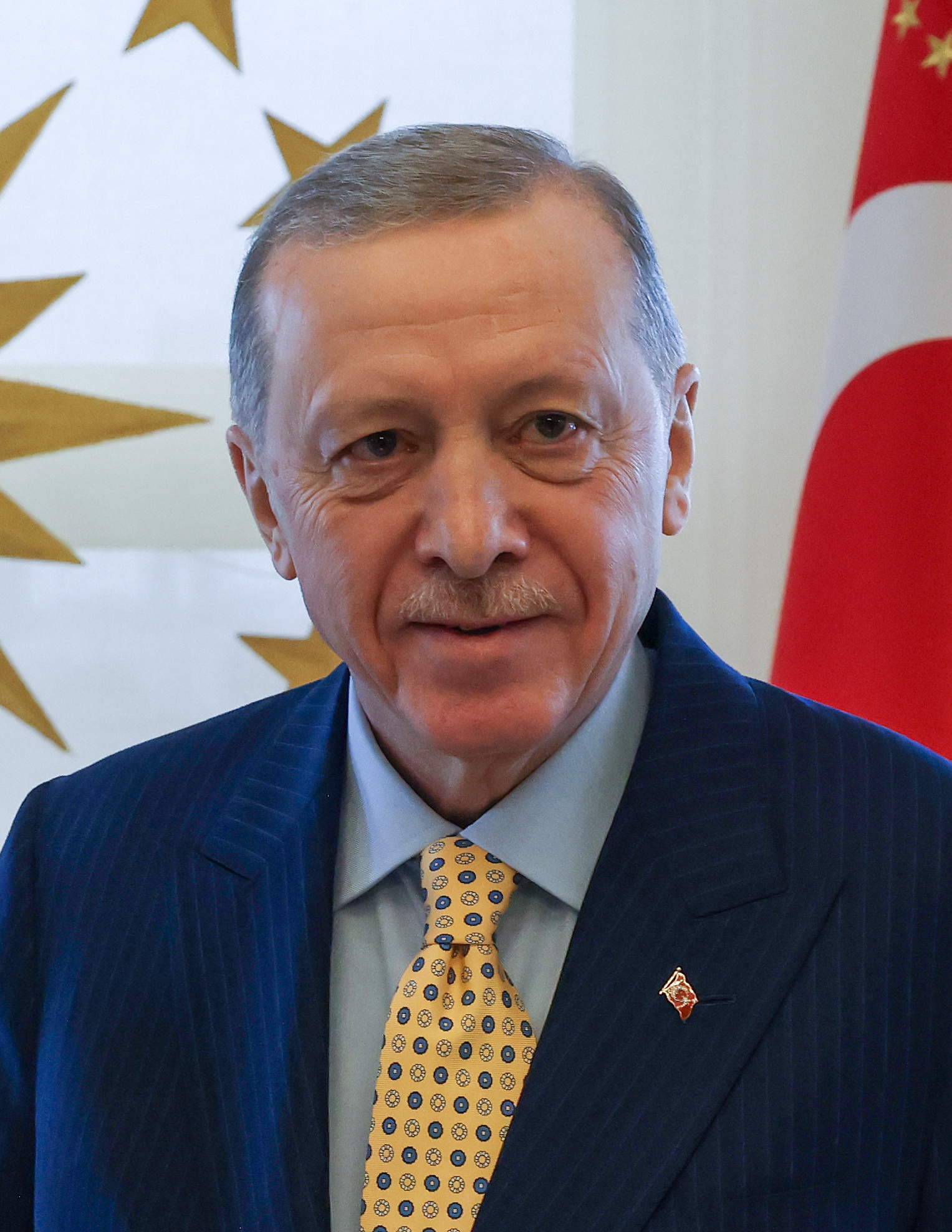
The photograph is the product. Turkish president Recep Tayyip Erdoğan, Saudi crown prince and prime minister Mohammed bin Salman, and Pakistani prime minister Shehbaz Sharif put names to a collective-defence line. Russo’s column, labelled as his opinion and not CGTN’s, walks through why those three signatures appeared now — and why the clause may still be more political than operational.
Three kinds of weight
Russo’s inventory is straightforward. Türkiye is a NATO member with the alliance’s second-largest army and a growing defence industry. Pakistan fields one of the world’s larger armies and has nuclear weapons. Saudi Arabia is a top crude exporter, a financial power, and custodian of Mecca and Medina — religious prestige that is not the same thing as a division of tanks.
For decades, he writes, the United States was the main external security guarantor in much of West Asia, with a thicket of Gulf bases. The recent US–Iran confrontation, including American strikes on Iran and Iranian strikes on US positions, plus instability around the Strait of Hormuz, showed how fast a fight involving Washington can hit countries that were not in the first targeting cycle. Russo’s attributed lesson for regional governments: heavy reliance on the US also means exposure to decisions taken in Washington.
He adds that American opinion has grown sceptical of long wars, and that support for Israel has fallen in some US groups. He is careful to say the United States is not leaving: the military footprint is still large, alliances still matter. The claim is narrower — regional powers are shopping for extra options and more autonomy. In that reading, the Mecca pact is an additional structure, not a replacement for American hardware overnight.
No shared enemy
The hard question in the column is alignment. Saudi Arabia has long treated Iran as a principal rival and has fought a years-long file with the Houthis in Yemen. Türkiye and Pakistan both keep important ties with Tehran. If Riyadh and Iran clash again, would Ankara and Islamabad fight for Saudi Arabia?
The reverse cuts exist. Russo notes that Türkiye–Israel relations have turned more hostile, and that some Israeli strategists now talk about Türkiye as a future rival. Saudi Arabia has its own Israel file. Would Riyadh confront Israel for Ankara? Pakistan’s recurring Afghanistan-border militant problem is another test: would Türkiye and Saudi Arabia step into that fight?
The three governments share an interest in independence and closer military work. They do not, Russo argues, share the same enemies or the same threat picture. For now the pact may matter more as a political signal than as a war plan. Even a thin clause, he writes, tells the region that states once tightly wrapped in American guarantees are writing extra partners into the book.
He also points at other multipolar traffic: India’s defence work with the UAE while it keeps military ties with Israel. In that order, capitals can hold several major relationships at once instead of one patron. The Mecca text is, in his last line, “another clear sign that the era of unquestioned American hegemony is weakening.” That is the columnist’s conclusion, not a verified shift in order of battle.
How the civic market prices a pact without a common foe
PolitiCap is a civic participation game, not a casino. Index-listed heads of government carry a ticker symbol, a simulated live quote, and a Politi Market Cap built from closed-loop credits — dibs (virtual DutchBud credits), not cash-out to a bank. Virtual stakes on this file sit with ERDOGR as NATO’s Turkish president, SALMAM as the host in Mecca, and SHARIS as the nuclear-armed third signature. The accountability signal is whether “an attack on one” is ever invoked, or stays a communiqué.
That is the policy test for constituents who will not sit in the signing room: watch Iran, Israel, Yemen and the Afghan border as the four places the column says the pledge could be asked to perform. New players still land a 1 000 dibs welcome. Those virtual credits stay inside the game. The tape only keeps score in dibs while the three armies keep their own calendars.
Source: CGTN. Rewritten for the PolitiCap game.


Leave a Reply