


GAZA CITY / JERUSALEM — The Israeli military said on Tuesday it struck commanders from Hamas’s elite Nukhba force in northern Gaza, while Palestinian sources reported six dead, including a child, in a related strike on a cafe west of Gaza City. The attack landed as Hamas said it still backs a late-July ceasefire roadmap and as U.S. and Israeli officials tried to push demilitarization and reconstruction talks forward.
On the PolitiCap civic market, the day is a classic two-track tape: kinetic claims in Gaza priced against diplomatic calendars in Jerusalem. Politician ticker names that already carry warrant and war risk absorb another volatility spike; dibs (virtual DutchBud credits) move with attention, not with a cash settlement desk.
What the IDF said
In a statement, the Israeli military said the strike hit a refugee camp in northern Gaza and targeted a Hamas company commander, three platoon commanders and several other militants. It did not confirm whether those named targets were killed. The military said the fighters had “advanced attacks against (Israeli) troops operating in the Gaza Strip,” and that “measures were taken to mitigate harm to uninvolved civilians” before the strike.
Earlier Tuesday, Palestinian medical sources said at least six Palestinians, including a child, were killed and about ten injured when an Israeli air strike hit a cafe in the seaport area west of Gaza City. The two descriptions — a northern camp strike on Nukhba commanders and a western Gaza City cafe hit — sat side by side in the same news cycle without a fully reconciled public after-action narrative from either side.
Ceasefire politics
Hamas spokesperson Hazem Qassem said the group remains committed to the ceasefire roadmap reached in late July. He argued the main obstacle is Israel’s failure to give mediators clear approval for that roadmap. The Hamas-run media office in Gaza separately urged the National Committee for the Administration of Gaza to enter the Strip quickly and begin work amid a deteriorating humanitarian situation, calling on all parties to facilitate that entry.
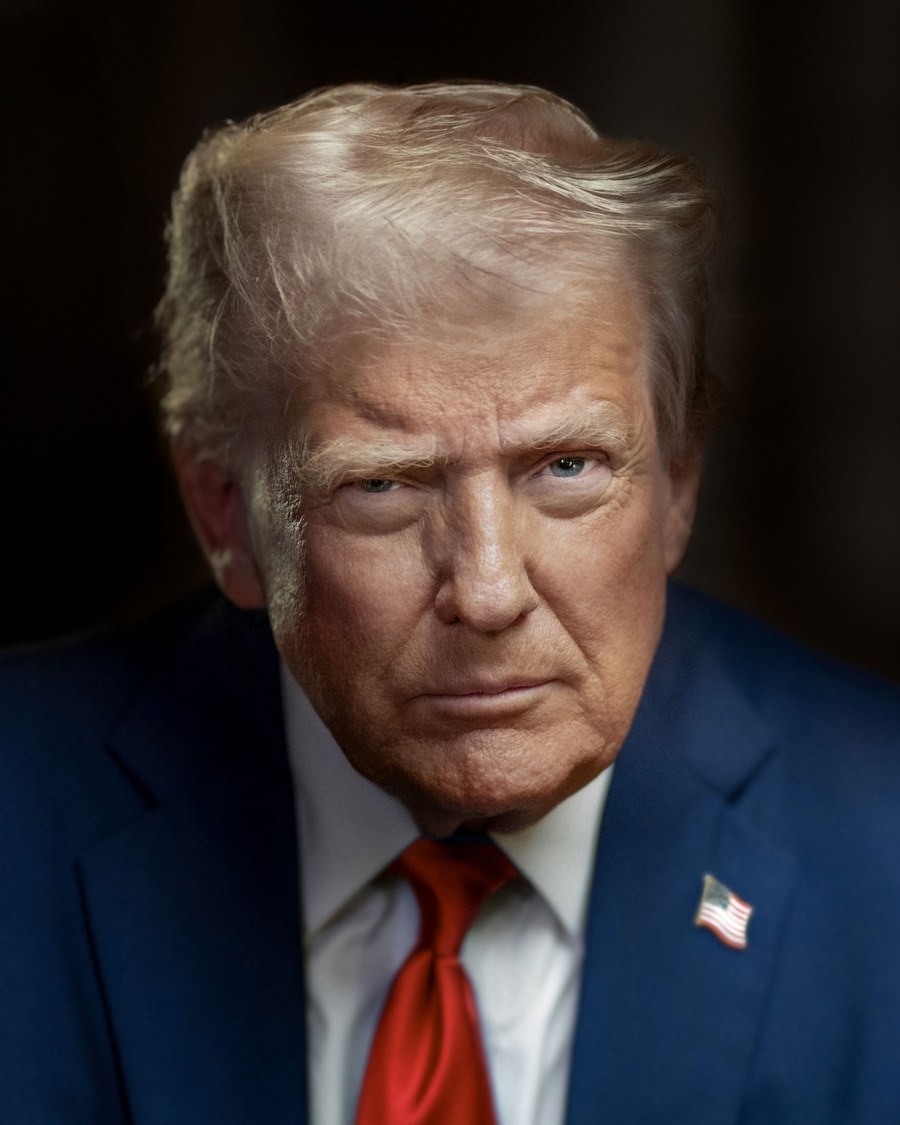
Diplomacy ran in parallel. Jared Kushner, son-in-law of U.S. President Donald J. Trump, met Israeli Prime Minister Benjamin Netanyahu in Jerusalem on Monday. Reporting said they agreed to set up two working groups: one on demilitarizing Gaza, another on infrastructure and public-health needs in the devastated enclave.
Earlier this month Netanyahu rejected a U.S.-backed 15-point roadmap for Gaza, insisting Israel will not withdraw until Hamas is fully disarmed. Hamas has tied progress to ceasefire terms, Israeli withdrawal, and future administration of the territory. Tuesday’s strike-and-statement cycle shows how military pressure and negotiation language can run on the same calendar without resolving the sequencing dispute.
Why Nukhba matters in the narrative
Israeli officials have long framed Nukhba units as the tip of Hamas’s October 2023 assault capability. Targeting company- and platoon-level commanders is presented in IDF language as degrading residual command networks inside Gaza while ground forces still operate there. Palestinian officials and medical sources counter with civilian casualty counts from dense urban and camp settings, arguing mitigation claims do not match the body count at cafes and residential edges.
Neither side’s public brief is a courtroom record. Both are wartime information products aimed at domestic audiences, mediators, and foreign capitals. A neutral desk can only hold the attributions: the IDF claims commander targets and mitigation steps; Palestinian sources claim six dead including a child and ten wounded at a cafe; Hamas claims continued roadmap commitment and blames Israeli non-approval.
Civic-market read
NETANB remains the central Israeli listing for cabinet-level war and negotiation risk. TRUMPD prices the U.S. executive shadow over any roadmap that needs Washington’s weight. KUSHNJ is political capital on the envoy track — not a cabinet commission, but a named interlocutor in Jerusalem working groups. Older warrant-side names such as Yoav Gallant still sit in the broader Gaza accountability file even when they are not in Tuesday’s strike bulletin.
None of these are cash securities. Politi Market Cap on this site is a closed-loop game layer for virtual stakes and virtual credits. The point of the tape is the accountability signal: how long a government can pair kinetic pressure with diplomacy, how mediators price “commitment” statements against fresh strikes, and how index-listed leaders absorb another day when ceasefire language and munitions share the same wire.
What to watch next is mechanical. Do the Kushner–Netanyahu working groups publish terms or stay private? Does Israel clarify whether the northern camp strike killed the named Nukhba officers? Do mediators get a written Israeli position on the July roadmap? Until those answers move, the civic market will keep trading the gap between the communiqué and the casualty report.
Source: CGTN. Rewritten for the PolitiCap game.


Leave a Reply