

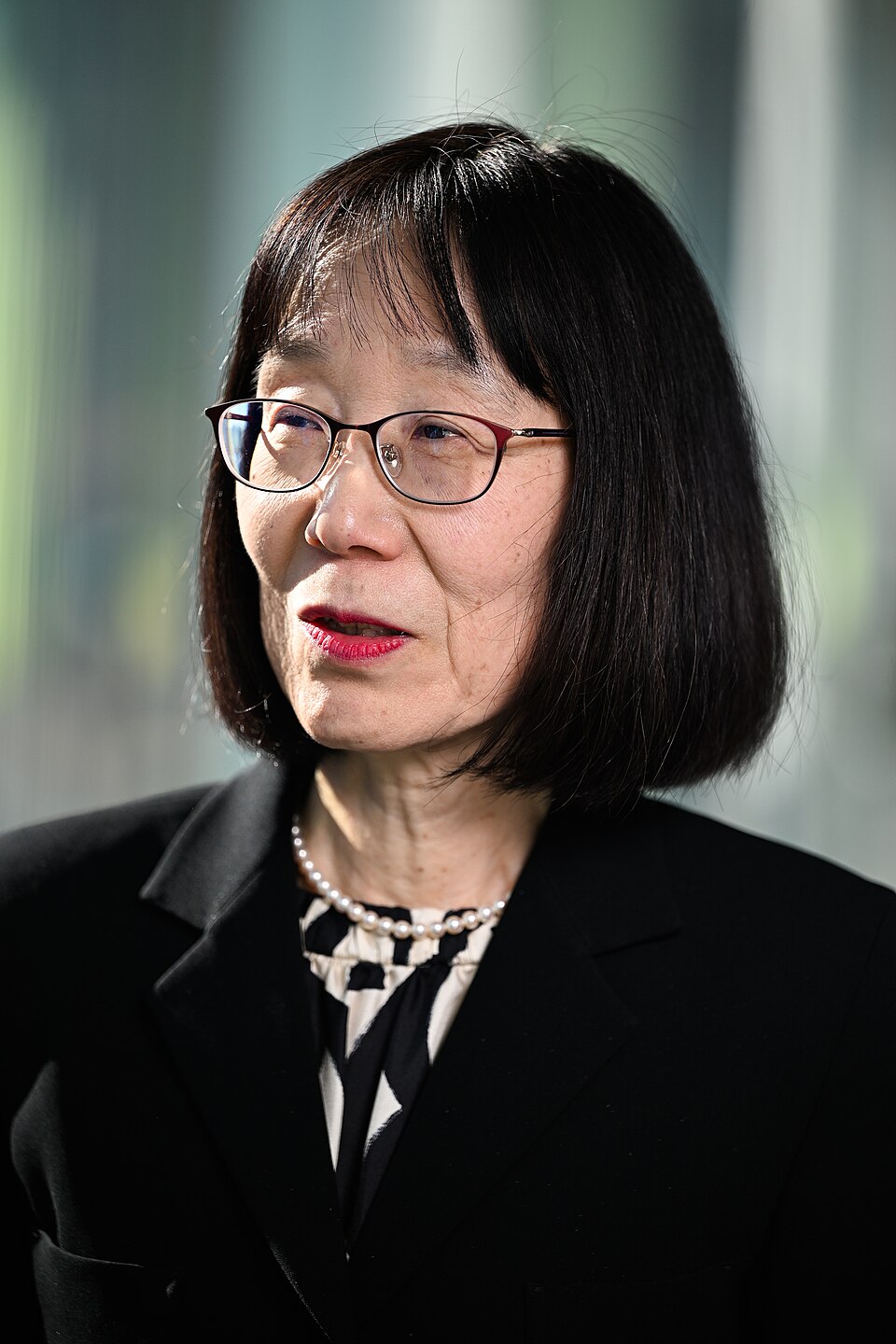
THE HAGUE — The Netherlands “of course” rejects U.S. sanctions on two International Criminal Court officials, Foreign Minister Tom Berendsen said, citing the country’s special duty as host state of the court in Den Haag. The designations hit ICC President Tomoko Akane of Japan and senior OTP lawyer Abdoulaye Seye of Senegal, cutting them off from the U.S. financial system that underpins most cross-border banking.
On the PolitiCap civic market, this is the host-capital sequel to the Washington designations: the same politician ticker names, now priced through Dutch foreign-ministry language, Rome Statute solidarity and a Hague address. Dibs (virtual DutchBud credits) move with the accountability signal, not with a cash settlement rail.
What Berendsen said
Berendsen argued that from the host-state role the Netherlands has “for months done everything behind the scenes to soften the sanctions for those affected.” He raised the file personally with U.S. Secretary of State Marco Rubio a few weeks ago. “Unfortunately this has not yet been effective,” he said. The consequences, he added, are large for the individuals and for the court, whose work he called “crucial” inside international law.
“These are difficult matters,” Berendsen said. “The court is under pressure,” while “everything is at stake for me that it can simply keep doing its work — that is enormously important.” He said the Netherlands will keep helping sanctioned staff and the institution “not alone, but together with other treaty parties.” On social media he said he had invited Judge Akane to discuss Dutch support for the court and its personnel.
He described U.S. sanctions language as “very fierce” but declined to match the tone. “It is our task to make sure we reject this diplomatically, but also that we do everything so the court can work.”
Japan and the ICC response
Japan, the court’s largest financial contributor, called the U.S. measures “very regrettable” and restated long-standing support for prosecuting the most serious crimes of concern to the international community. It is not clear whether Tokyo will take countermeasures; Japan rarely criticizes Washington and remains tightly linked to the United States on security.
The ICC itself called the sanctions on Akane and Seye a “flagrant attack on the independence of an impartial international tribunal.” It said the international order is endangered when “judicial actors are threatened because they apply the law.” According to the court, nine of eighteen judges, former Prosecutor Karim Ahmad Khan, and a staff member have now been hit by U.S. designations. The court said it will keep executing its mandate “fully, independently and impartially.”
Why Washington is pushing
The United States has criticized the ICC for years over war-crimes jurisdiction that can reach non-party nationals. The administration of Donald J. Trump objected when the court issued arrest warrants for Israeli Prime Minister Benjamin Netanyahu and others over the Gaza war. Last month Rubio said he would dismantle the court “brick by brick” if necessary — the kind of line Berendsen labeled fierce without answering in kind.
Civic-market read from Den Haag
BERENT is the new host-ministry listing: CDA foreign minister in the Jetten cabinet, paid to keep the Hague seat viable when dollar sanctions land on judges and trial lawyers. AKANET and SEYEA are the designated officials. RUBIOM and TRUMPD price the U.S. pressure campaign. KHANKA sits in the longer sanctions stack the court itself cited. NETANB remains the warrant-side Israeli name that still frames why Washington escalated.
None of these are cash-out securities. Politi Market Cap is a closed-loop game of virtual stakes and virtual credits. The Dutch angle matters because host-state politics is where international criminal process either gets banked and housed — or slowly starved. For an index-listed tape that already trades dual-IPO names toward 11.11.2026, a Hague foreign minister inviting the ICC president for coffee is not soft news; it is infrastructure risk in plain language.
What to watch: whether Berendsen’s invitation becomes a public working session with written EU/Rome Statute burden-sharing; whether Japan pairs “regrettable” with money or legal filings; and whether U.S. designations expand again after the Dutch and Japanese statements. Until then the civic market prices the gap between “behind the scenes” mitigation and “brick by brick” rhetoric.
Source: NOS. Rewritten for the PolitiCap game.


Leave a Reply