


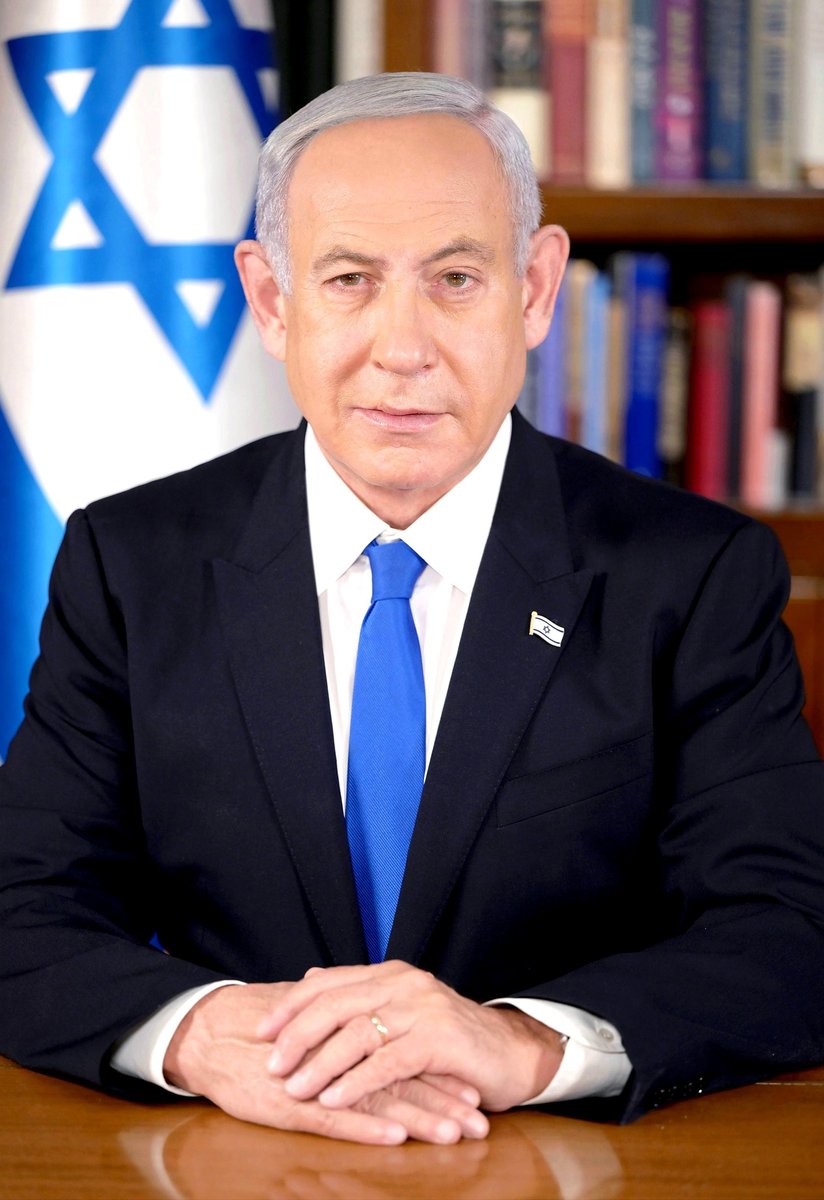
ANKARA / JERUSALEM — Tensions between Türkiye and Israel have sharpened over Syria and a Turkish request for an Interpol Red Notice against Israeli Prime Minister Benjamin Netanyahu, after Israeli strikes near the Turkish border and a fresh exchange of official statements, CGTN reported.
The Israel Defense Forces said on Saturday that they fired toward a militant who was in the final stages of preparing an attack in southern Syria, citing threats to Israeli soldiers, days after Israeli strikes on a Syrian airbase near the Turkish border. The sequence sits inside a wider rift that analysts still describe as mainly diplomatic and rhetorical — but one that is moving political capital on both countries’ politician ticker tapes.
On PolitiCap’s civic market, cross-border crises are read as geopolitics first: heads of government and cabinet defence/foreign portfolios reprice when crowd attention locks onto sovereignty claims, alliance risk, and whether talk hardens into force. Virtual stakes in those listings track the attention, not cash-out bets.
Interpol request and the flotilla case
Türkiye has asked Interpol to issue a Red Notice for Netanyahu after a Turkish arrest warrant last month on a charge of “genocide,” according to the CGTN account of the dispute. Justice Minister Akin Gurlek said Friday the Interpol step is tied to a Turkish criminal case over the interception of activists on the Global Sumud Flotilla, which left Türkiye in May in an attempt to challenge Israel’s blockade of Gaza. Israel intercepted the flotilla; those aboard were later deported.
The Israeli Prime Minister’s Office answered by accusing Türkiye of “hypocrisy” and calling President Recep Tayyip Erdogan an “antisemitic dictator,” saying he was trying to extend aggression against Israel into Syria. Türkiye’s Communications Directorate rejected the language as “outrageous ravings,” accused the Netanyahu government of “cheap politics” for electoral gain, and warned that escalating tension for domestic competition risks regional and global stability.
Syria airbase strikes and southern incidents
Israeli airstrikes on Tuesday hit the Abu al-Duhur military airport in Idlib province in northwestern Syria, causing material damage and no reported casualties, per the same wire. Israel said the strike was meant to block a potential Turkish military deployment at the base that would threaten Israeli security. Ankara denied any such deployment.
Defence Minister Israel Katz said Saturday the airport strikes answered “clear intelligence” about Turkish intentions and that the military had recommended the target several times. He rejected opposition claims that the operation was timed for Israel’s general election on October 27. Foreign Minister Gideon Sa’ar said tensions with Türkiye remain high over Syria, that Israel has no intention of escalating and “always prioritizes” diplomacy, and that Israel will not accept a Turkish base in Syria.
Syrian state media SANA reported a civilian injured when an Israeli drone hit a car in Beit Jinn, southwest of Damascus. Syria’s foreign affairs authority condemned the strike “in the strongest terms,” calling it a violation of sovereignty and international law amid repeated Israeli attacks. The Britain-based Syrian Observatory for Human Rights said it had logged 57 Israeli attacks on Syrian territory since the start of 2026, including six air and 51 ground attacks.
Limits of the confrontation
Analysts quoted in the CGTN package said Turkish–Israeli friction is still expected to stay largely at diplomatic and rhetorical levels. Türkiye is a NATO member; a direct military clash with a NATO state is widely seen as unlikely. Both are major regional powers, and the United States is described as unwilling to see a serious fight between them. That ceiling does not erase the local cost in Syria or the domestic use of the dispute in Israeli and Turkish politics.
For PolitiCap readers, the short list on the tape is clear. NETANB and ERDOGR anchor the two governments; KATZI and SAARG carry the defence and foreign lines that define the Syria file; GURLEA sits on the legal track that produced the Interpol request. Crowd attention on those symbols is an accountability signal about how far leaders will push rhetoric versus force. Politi Market Cap does not settle the border; it prices how much of the public argument each officeholder absorbs.
Players holding dibs (virtual credits in the closed DutchBud loop) can treat the episode as a multi-country home market event across Israel and Türkiye index nodes — still a game layer over real diplomacy. No new bilateral military alliance or war declaration was reported in the source package. The verified baseline remains: Israel continues strikes and security claims in Syria; Türkiye contests those claims and has sought Interpol action against Netanyahu; both capitals have answered with sharp public language.
Source: CGTN. Rewritten for the PolitiCap game.

