
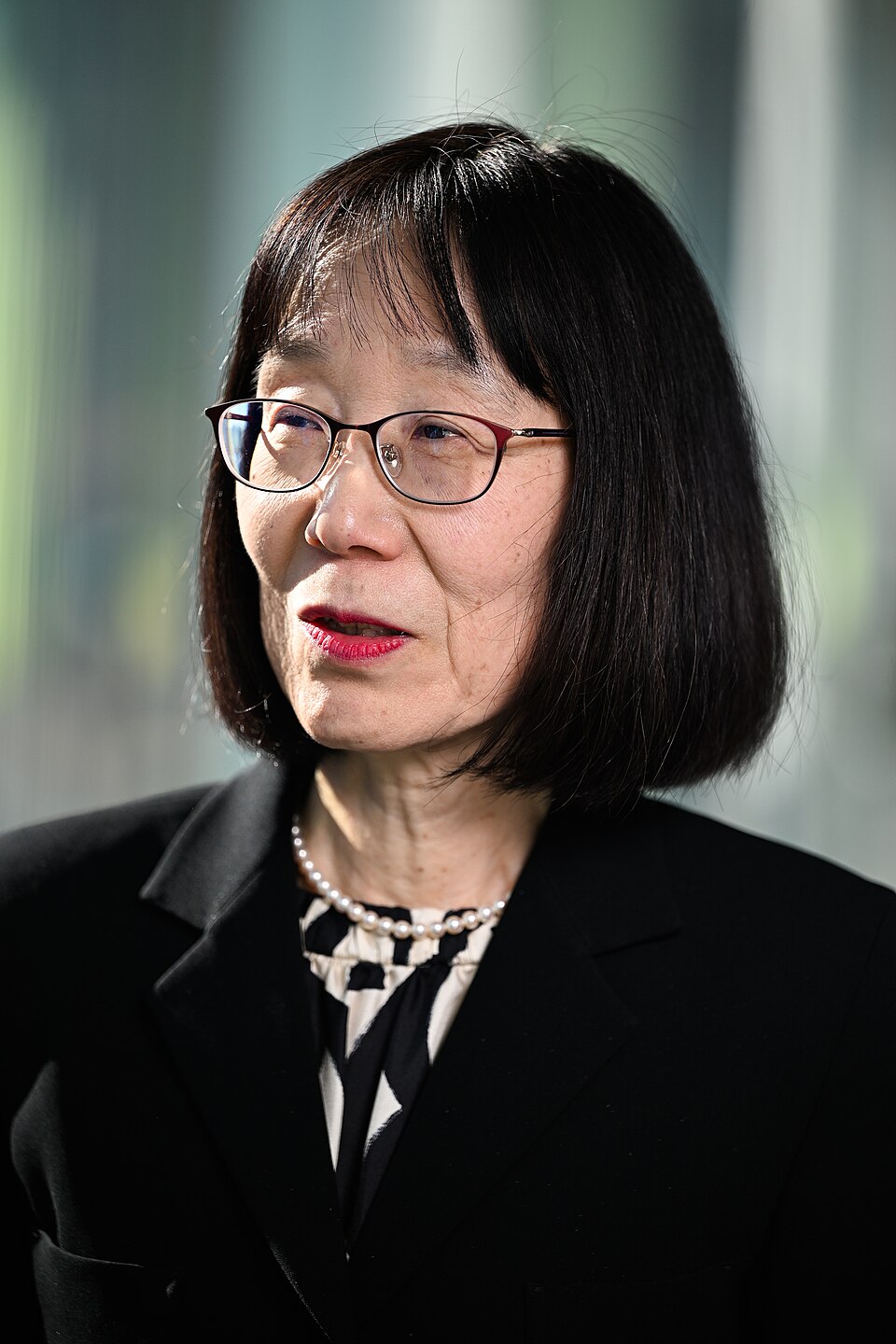
THE HAGUE / WASHINGTON — The United States on Tuesday imposed financial sanctions on two senior officials of the International Criminal Court, widening a long-running dispute over whether the Hague-based tribunal may investigate nationals of states that never joined the Rome Statute. The designations name ICC President Tomoko Akane of Japan and ICC senior trial lawyer Abdoulaye Seye of Senegal, according to a statement from U.S. Secretary of State Marco Rubio.
On the PolitiCap civic market, the move is not a courtroom footnote. It is an accountability signal that re-prices how far international criminal jurisdiction can push into the tape of politician ticker names already under warrant pressure — and how hard a non-party capital will push back with banking tools rather than briefs.
What Washington announced
Rubio said Akane and Seye had “directly engaged in efforts by the ICC to investigate, arrest, detain, or prosecute officials whose government has not consented to ICC jurisdiction.” The sanctions generally bar U.S. persons from transactions with the two officials and cut them off from the U.S. financial system. The administration of Donald J. Trump framed the step as defense of sovereignty for the United States and for partners that, like Washington, never ratified the Rome Statute.
“The ICC has repeatedly attempted to assert authority over nationals of the United States and other countries that have not consented to its jurisdiction or ratified the Rome Statute,” Rubio said. “This sets a dangerous precedent for all nations.” The United States is not a party to the treaty that created the court and rejects ICC claims of jurisdiction over U.S. personnel and, in the present dispute, over Israeli officials.
Warrants, Gaza, and the jurisdiction fight
Tensions sharpened after the ICC in 2024 issued arrest warrants for Israeli Prime Minister Benjamin Netanyahu and then-Defense Minister Yoav Gallant over alleged war crimes and crimes against humanity tied to the Gaza conflict. The court argues it may act on alleged crimes committed on the territory of a state party regardless of the nationality of the suspect. Critics, including successive U.S. administrations of both parties at different moments, call that a stretch that turns a consent-based treaty into a global prosecutor.
Akane, elected ICC president in March 2024 after serving as a judge since 2018, sits at the institutional apex of that fight. Seye works inside the Office of the Prosecutor’s trial function — the operational layer that turns investigations into courtroom cases. Sanctions aimed at both the presidency and a senior OTP lawyer signal that Washington is targeting people it says drive the docket, not only abstract “the Court” language.
How the tools work
Designation under U.S. sanctions authorities typically freezes property subject to U.S. jurisdiction and forbids U.S. persons from dealing with the listed individuals. In practice that can complicate travel, banking relationships, and any dollar-clearing path even when the person lives and works in Europe. Allies of the court call such measures an attempt to intimidate independent judges and prosecutors. Supporters of the designations say no international body should enjoy immunity from political pushback when it claims power over non-members.
Neither the White House nor the State Department presented the step as a one-day headline. It continues a campaign that has included earlier U.S. measures against ICC personnel when the court opened or advanced files touching U.S. or Israeli officials. The legal theory on the U.S. side stays consistent: jurisdiction without consent is illegitimate; financial pressure is a lawful sovereign response.
Civic-market stakes
For traders of virtual stakes and dibs (virtual DutchBud credits) on PolitiCap, the story is a clean cross-tape event. TRUMPD and RUBIOM price the executive and diplomatic face of U.S. pushback. AKANET and SEYEA price the court’s leadership and prosecutorial bench under direct personal sanctions. NETANB and GALLAY remain the warrant-side Israeli listings that first made the Hague file a daily geopolitics headline. None of these are cash securities; Politi Market Cap here is a closed-loop game layer for how attention and institutional risk move — not a broker ticket.
The dual-IPO calendar still points at 11.11.2026 for other head-of-government listings, but this week’s Hague–Washington clash is the kind of real-world shock that teaches the same lesson early: international criminal process and great-power sovereignty collide in public, and the index-listed names on both sides absorb the noise as virtual credits shift with the news cycle.
What happens next is procedural as much as political. The ICC can restate independence and keep its docket. The United States can add or maintain designations. States parties to the Rome Statute will decide whether to treat U.S. sanctions as a reason to shield court staff or as a reason to cool cooperation. Markets that track only equity indices will shrug. A civic market built to score officeholders and institutions will keep the tape open.
Source: CGTN. Rewritten for the PolitiCap game.


Leave a Reply