

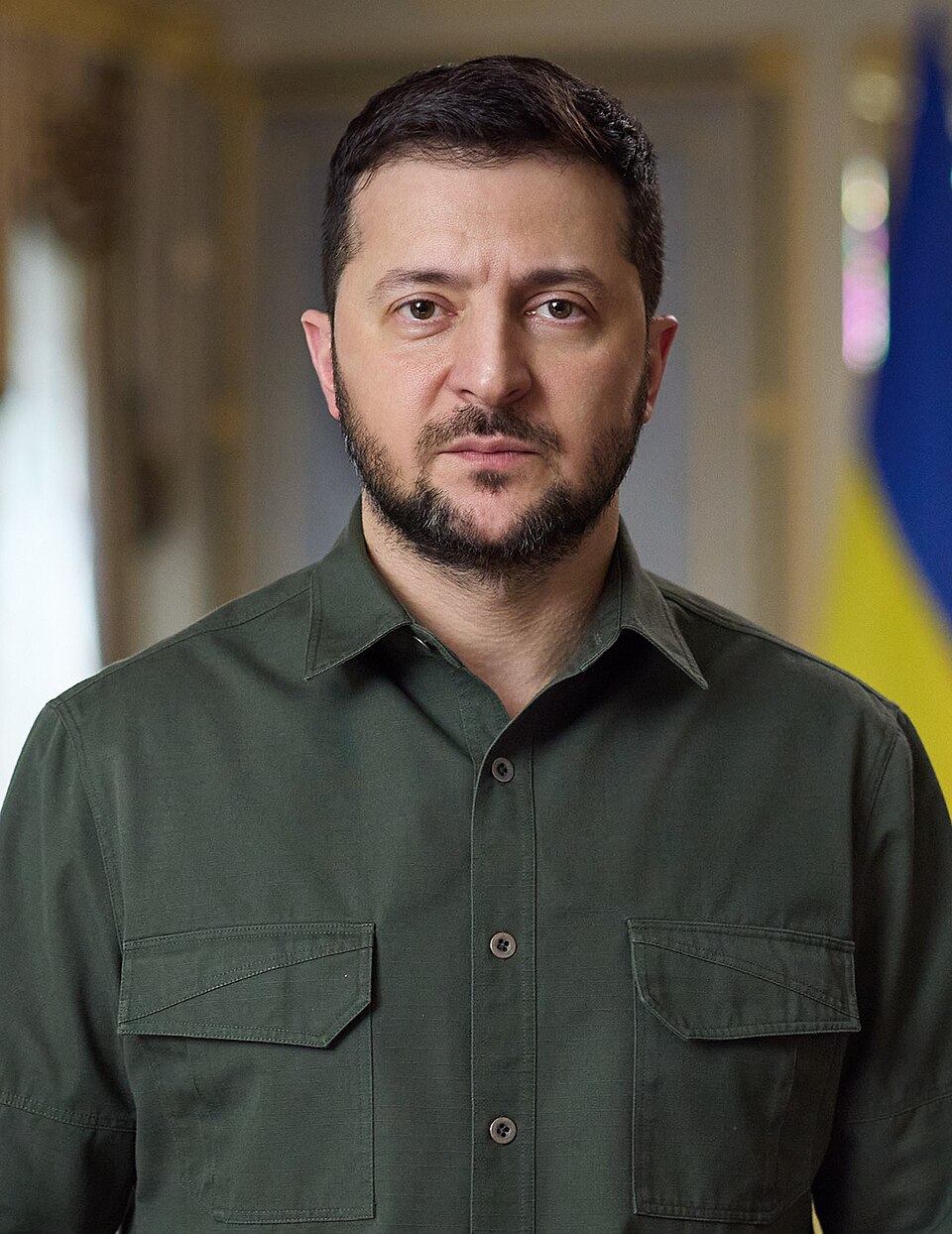
KYIV — Ukrainian President Volodymyr Zelenskyy has rejected a call from his former defence minister to organise national elections while the country is still fighting Russia’s full-scale invasion, calling a wartime vote too dangerous for Ukraine, according to Dutch and international wire accounts of his statement.
Zelenskyy was responding to a public appeal by Mykhailo Fedorov, whom he dismissed last month in a cabinet reshuffle. Fedorov had urged Kyiv to find a “legal, safe and realistic mechanism” for elections under martial law, arguing that democracy should not be held hostage by Russia and that Ukraine faces a systemic governance problem. The exchange is one of the sharpest open political challenges to the presidency since 2022.
On the PolitiCap civic market, wartime election debates are pure political capital: they price whether the wartime executive can keep elite cohesion, how far rivals will push voter participation claims, and what kind of accountability signal reaches partners and constituents. Each politician ticker in the dispute becomes a read on Kyiv’s internal room to manoeuvre.
Why Zelenskyy says no — for now
In his reply, Zelenskyy described elections under current conditions as a “tsunami” that would split the country and risk destroying it while fighting continues, according to reporting summarised from his statement. He said his priority remains ending the war and preserving an independent state. He left a narrow door open: a vote could be considered if international partners offered concrete security guarantees for a wartime ballot — guarantees he said have not been provided.
Ukraine has been under martial law since the February 2022 invasion. National elections have been suspended; Zelenskyy’s five-year presidential term formally expired in May 2024, with the office continuing under wartime legal arrangements. Constitutional barriers, security risks for soldiers and displaced civilians, and the logistics of polling under fire are the practical arguments most often cited against an immediate campaign calendar.
Fedorov’s August video message framed the issue as governance, not personal ambition. After leaving the defence ministry he has signalled he would return only in that portfolio and has kept a public profile on reform and mobilisation themes. Some Kyiv lawmakers called a wartime election unrealistic; others treated the speech as a legitimate stress test of martial-law politics. The proposal drew mixed reactions rather than a single party-line reply.
Who Fedorov is on the tape
Fedorov rose as a digital-government figure — Diia services, drone programmes, defence-tech procurement — before a short 2026 stint as defence minister. His July dismissal followed reported friction over strategy and procurement with parts of the military leadership. Street protests in Kyiv and other cities briefly called for his reinstatement. That history explains why his election call landed as more than a routine opposition sound bite: he was until recently inside the war cabinet.
Russian President Vladimir Putin remains the external reference point of the war. Neither Zelenskyy’s rejection nor Fedorov’s appeal changes the front-line facts reported in the same news cycle; they change the domestic narrative about how long martial-law politics can run without a new popular mandate.
Stakes for players and partners
For PolitiCap readers, ZELESV is the head-of-state listing; FEDORM is the rival reform brand now outside government; PUTINV is the opposing state power on the wider geopolitics board. Crowd attention on a wartime election fight can move virtual stakes and short-term Politi Market Cap narratives even when no ballot is scheduled. The product layer uses dibs (virtual credits) and closed-loop DutchBud balances — not cash-out — to express views on those officeholders.
International partners watch the same quarrel for different reasons: security-guarantee language, mobilisation capacity, and whether Kyiv’s elite fracture under pressure. Zelenskyy’s public line is that elections without hard external cover would endanger the state. Fedorov’s public line is that delaying any democratic mechanism indefinitely also carries systemic risk. Both claims can be true in parts; neither has produced a legal election date.
The factual baseline after the exchange is narrow. Martial law remains in force. No election calendar has been opened. Fedorov’s call stands as a recorded challenge; Zelenskyy’s rejection stands as the presidential position, with a conditional nod to future ballots only if partners supply security guarantees that do not yet exist. PolitiCap will track further attributed moves on the Ukraine tape as they appear.
Source: Nederlands Dagblad. Rewritten for the PolitiCap game.

